
The Growing Gap: Public Demand vs Policy
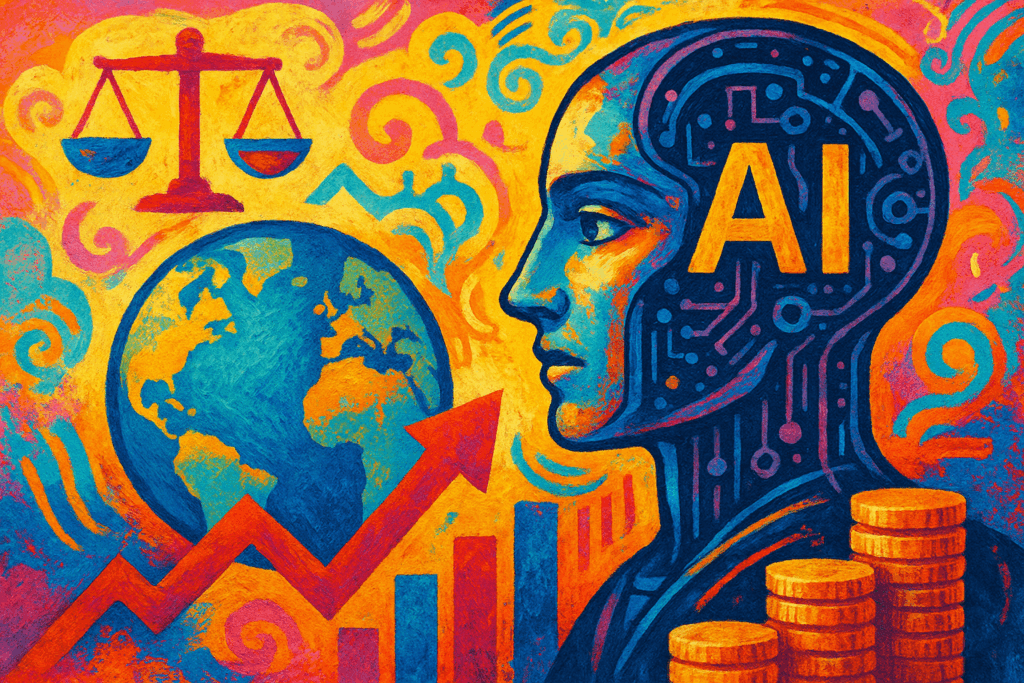
Public opinion strongly favors firm rules for advanced AI, with recent research showing large majorities want specific laws and prioritise safety over rapid deployment. Policymakers in the UK and across the EU have signalled more permissive, innovation-friendly frameworks, preferring principles and voluntary standards in some areas. That divergence has created a visible policy gap between citizen expectations and government direction.
How Regulatory Uncertainty Blocks Adoption
When rules are ambiguous or perceived as weak, businesses and public bodies face three direct frictions. First, legal risk: unclear compliance requirements make it hard for executives to greenlight AI projects without exposing their organisations to future liability. Second, procurement and vendor risk: suppliers and customers hesitate to commit to AI systems that may later be restricted or recalled. Third, reputational risk: without visible oversight, public scepticism grows and user uptake slows.
Investors respond to these frictions by reweighting risk premia. Funding shifts toward well-understood applications and jurisdictions with clearer regulatory signals. The result is a slowdown in broader, higher-impact deployments that could deliver productivity and public service gains.
Trust Through Independent, Clear Oversight
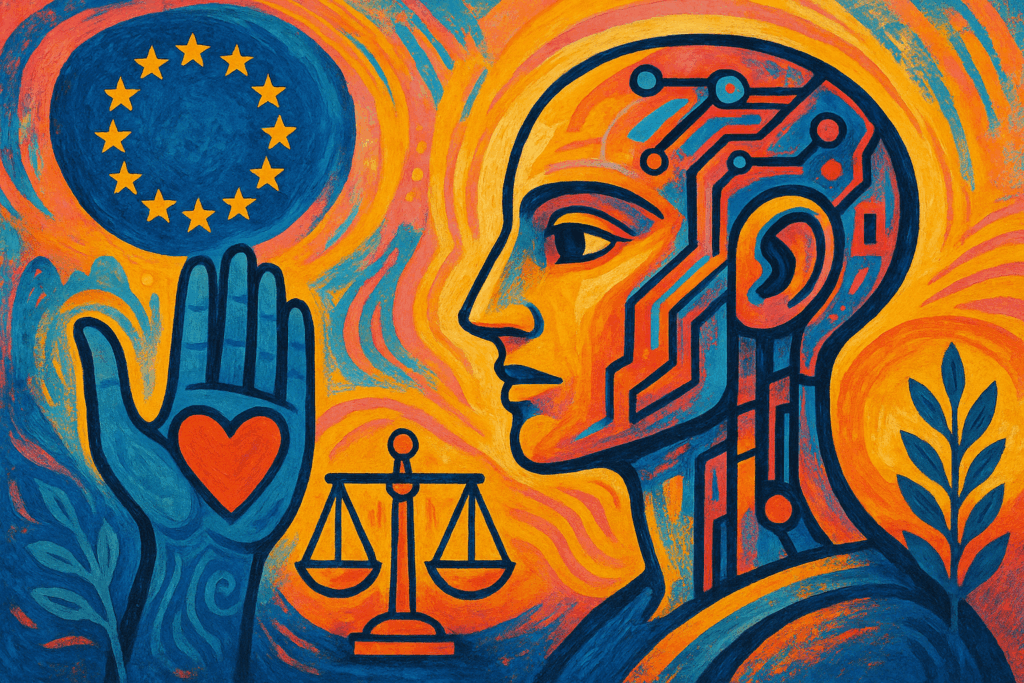
Evidence suggests that stronger, transparent guardrails increase public confidence and lower implementation risk. Independent oversight bodies, clear liability rules, and enforceable safety standards create a stable baseline that supports commercial scaling and cross-border cooperation. Far from being an obstacle, such oversight can reduce transaction costs, accelerate enterprise adoption, and make AI investments more predictable.
For executives and investors, the practical implication is straightforward. Track regulatory developments closely, factor compliance pathway risk into project plans, and support credible, independent governance mechanisms that align public expectations with market realities. That alignment will be essential for responsible AI to achieve its economic and social promise.