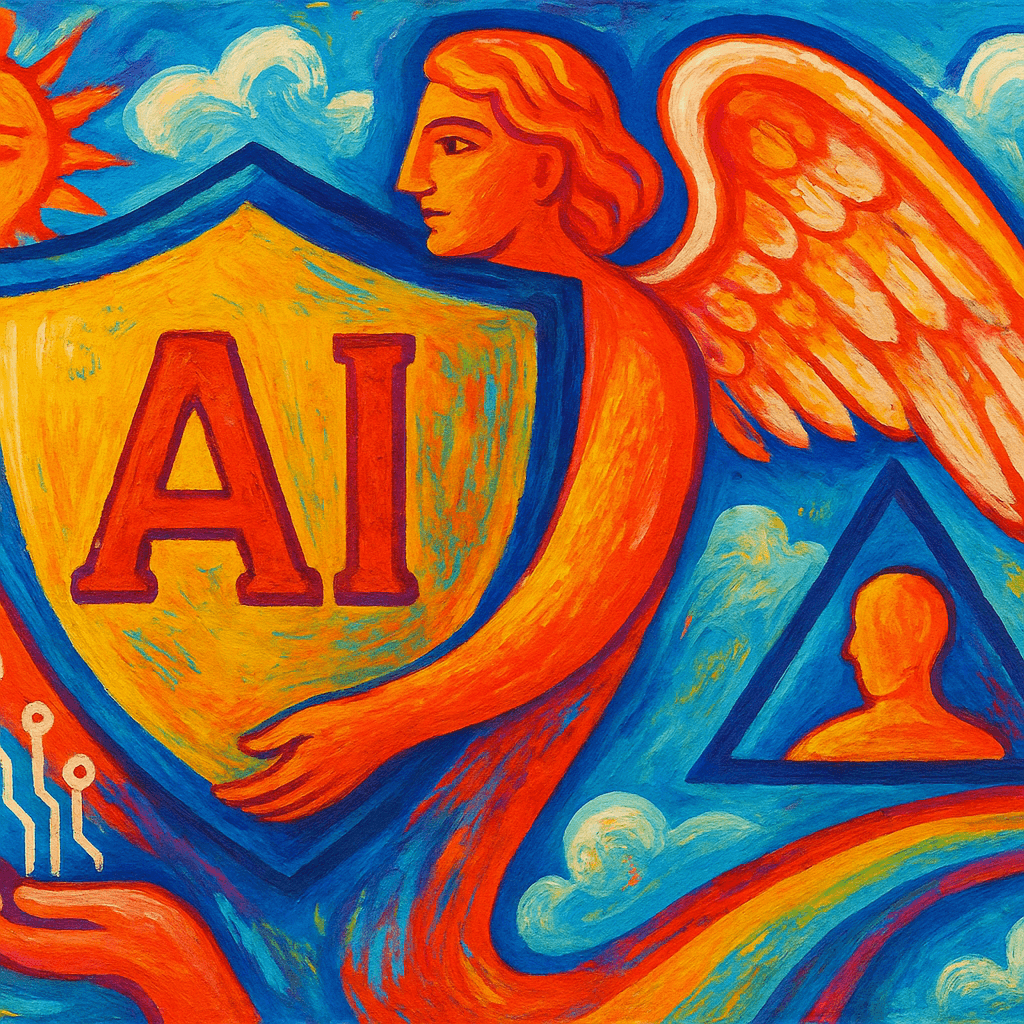

The Cyber Paradox: AI Threats Rise, Premiums Fall in 2025
AI Supercharges Cyber Attacks
Artificial intelligence has accelerated social engineering and automated espionage. Attackers use large language models to craft hyper-personalized phishing, synthetic voice and deepfake cons, and AI orchestration to probe targets at scale. These capabilities shorten reconnaissance-to-exploit timelines and make successful intrusions more precise. At the same time defenders are adopting AI for detection, threat hunting and automated response, creating a fast-moving offense-defense cycle.
A Buyer’s Market for Cyber Insurance
Despite rising threats, 2025 shows a softer cyber insurance market. Premiums have eased, capacity has expanded and new insurers have entered the space. That said, many policies now include higher deductibles, narrower sublimits and stricter underwriting on cyber hygiene and third-party risk. Buyers face better pricing options paired with more granular eligibility checks.
Shifting Sands: Evolution of Cyber Claims
Ransomware remains prominent but claims are diversifying. Supply chain disruptions, cloud configuration failures, and non-malicious incidents such as software bugs or misconfigurations account for a larger share of losses. Targeted intrusions and tailored social engineering events are producing outsized impacts on SMEs, which often lack layered controls and incident readiness.
Future-Proofing with AI-Aware Strategies
Regulatory shifts including the AI Act, NIS2, GDPR and emerging Omnibus Digital Initiative add compliance complexity and affect incident reporting and liability. Practical steps for finance and risk leaders include:
- Map AI-related exposures and update policy wordings to cover data poisoning, synthetic identity fraud and supply chain AI risk.
- Align insurance with technical controls and tabletop-tested incident response plans.
- Use AI tools for continuous monitoring, anomaly detection and rapid containment.
- Strengthen vendor due diligence and contractual security obligations.
For SMEs, focus on basic cyber hygiene, phishing resistance training, multi-factor authentication and clear escalation pathways. In 2025 cyber insurance is a strategic control not a substitute for resilience. Understanding how AI amplifies both threats and defenses will determine whether insurance supports recovery or becomes a contested claim.