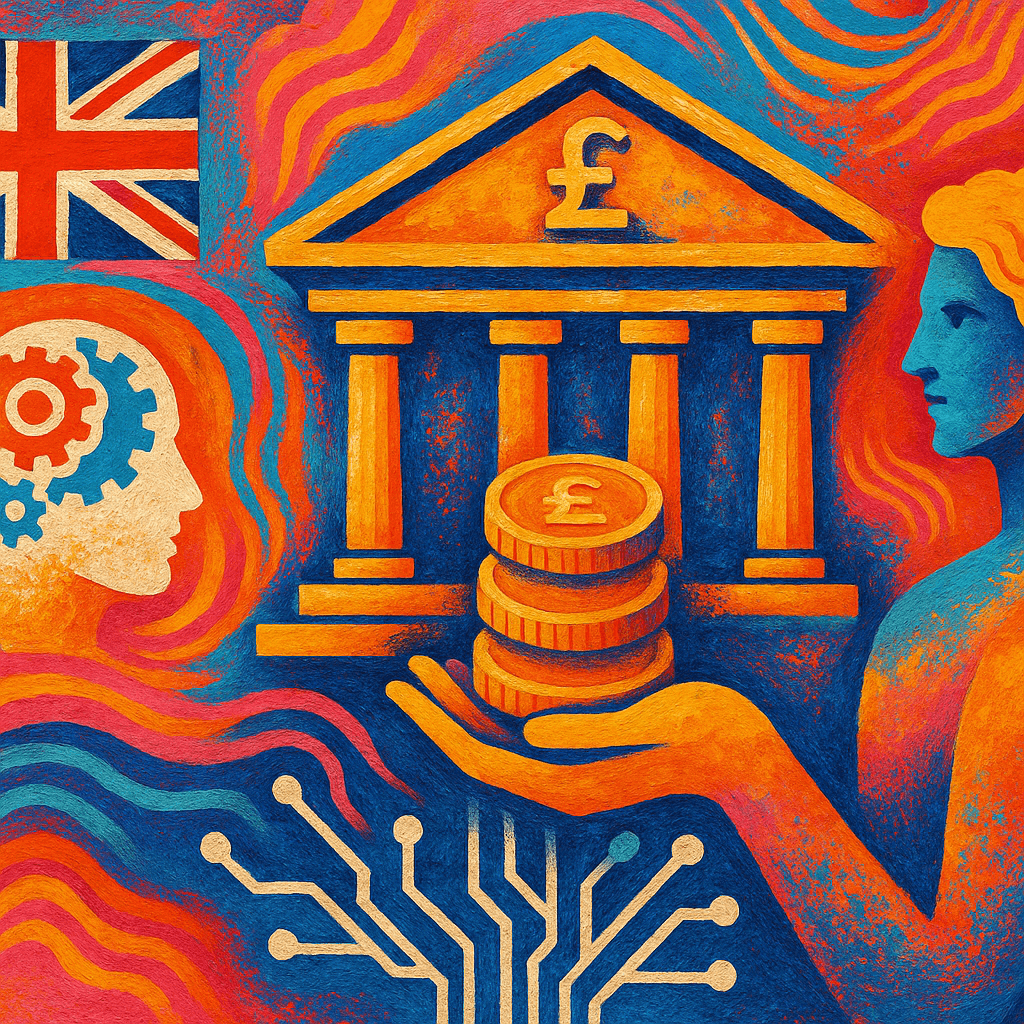

Combatting Sophisticated Fraud with AI in Banking
Banks face a rising wave of account takeover and authorised push payment scams that exploit stolen credentials, social engineering, and increasingly sophisticated automation. Traditional device risk tools that rely on static identifiers such as IP addresses, cookies, or basic device fingerprints struggle as fraudsters use device farms, VPNs, and browser spoofing to mask intent. These legacy signals are often brittle and produce false positives that frustrate legitimate customers.
The Power of Behavioral Biometrics for Device Trust
Behavioral biometrics combined with machine learning offers a different approach. Instead of only cataloguing static attributes, AI models analyse how a user interacts with a device: typing cadence, mouse movement, touch patterns, and session timing. These behavioural features create a dynamic, context-rich profile that can reveal automation, scripted attacks, or coerced users even when device identifiers appear normal.
As an example, BioCatchDeviceIQ builds real-time device risk scores by correlating behavioural signals with device and network context. This continuous assessment helps detect account takeover attempts and anomalies linked to money-mule activity or coordinated APP fraud campaigns.
Strategic Benefits for Banks and Customers
AI-driven device risk shifts banks from reactive checks to proactive, risk-based decisioning. Key advantages include earlier detection of ATO and APP attempts, fewer false positives, and the ability to apply step-up authentication only when risk warrants it. That reduces friction for legitimate customers while tightening controls around suspicious sessions.
Operationally, banks gain faster investigations, improved fraud-loss prevention, and better compliance reporting. For customers, invisible, continuous checks preserve user experience by avoiding unnecessary interruptions. Privacy and explainability remain priorities; banks must combine transparent data practices with models that support audit and regulatory review.
In short, AI and behavioural biometrics are becoming central components of modern banking security, enabling more precise device trust decisions as fraud techniques evolve.