White House Grapples with AI Regulation
Internal Strife Stalls Executive Order
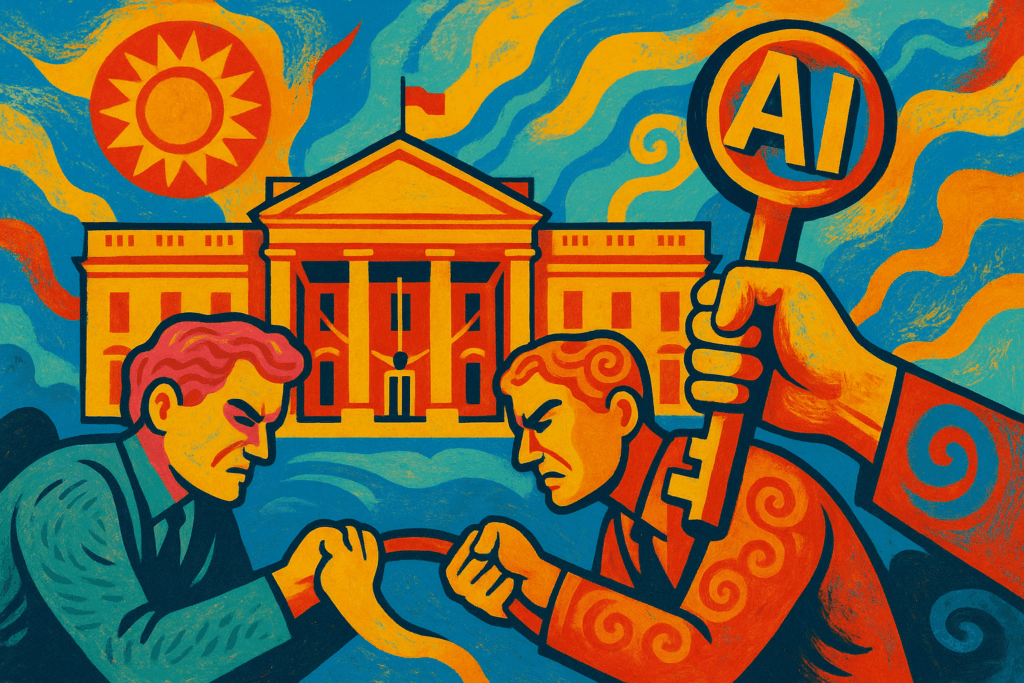
The Trump administration has paused a proposed executive order aimed at federal oversight of advanced AI models after internal disagreement over scope and timing. The order was reportedly canceled then reconsidered as advisers sought a compromise. The standoff reflects a tension between moving quickly to address national security and cybersecurity risks and avoiding rules that critics say could slow innovation and disadvantage US firms.
The Core Contention: Early Model Access
The most contested provision would have given the White House voluntary early access to frontier AI models for a limited cybersecurity review, commonly described as a 90 day window. AI labs including OpenAI, Anthropic, and Google objected, citing intellectual property exposure, competitive harm, and operational risk. Supporters argue early access helps identify vulnerabilities that could be weaponized, while opponents view it as an overreach that could chill model development.
Key Players and Divergent Views
Two internal factions have shaped the debate. Susie Wiles and adviser Scott Bessent have pushed to revive and refine the order, emphasizing government oversight. Opposing them, David Sacks has lobbied against prescriptive measures and holds influence with President Trump, who remains the ultimate decision maker. That dynamic has left the policy trajectory unsettled.
Outlook for AI Policy
With the executive order in limbo, alternative paths include agency-led regulation, voluntary standards coordinated through the newly branded Center for AI Standards and Innovation, or a narrower executive action. For investors and company executives the takeaway is that regulatory risk is a live market factor. Expect short-term volatility around policy signals, potential compliance costs if stricter rules emerge, and continued advantage for large labs that control model access and can absorb regulatory burden.
Financial actors should track administration statements, legislative activity, and major lab responses. Positioning that assumes rapid, uniform federal rules risks mispricing regulatory uncertainty in the AI sector.