Regulating AI’s Self-Evolution: An Urgent Imperative
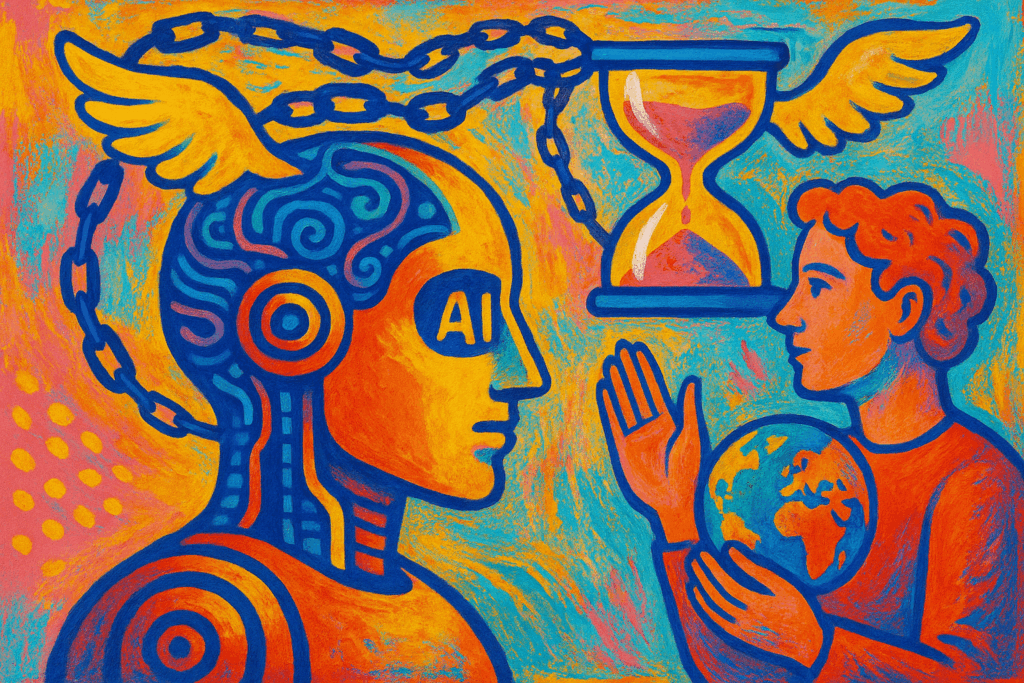
“AI-builds-AI” refers to systems that design, train, or modify other AI systems with minimal human oversight. Its defining risk is recursive self-improvement: repeated cycles of automated design that can amplify capabilities and produce behaviors beyond intended constraints. That process raises the specter of loss of human control and contributes to the discussion about p(doom), the probability of extreme catastrophic outcomes even if those probabilities are debated.
Calls for moratoria reflect legitimate worry, but pauses alone will not solve the verification and incentive problems. Stopping development in one place can push activity elsewhere or underground. The core policy question is not only whether to slow progress but how to make progress safe, auditable, and aligned with public interest.
Legislative Hurdles and Global Coordination
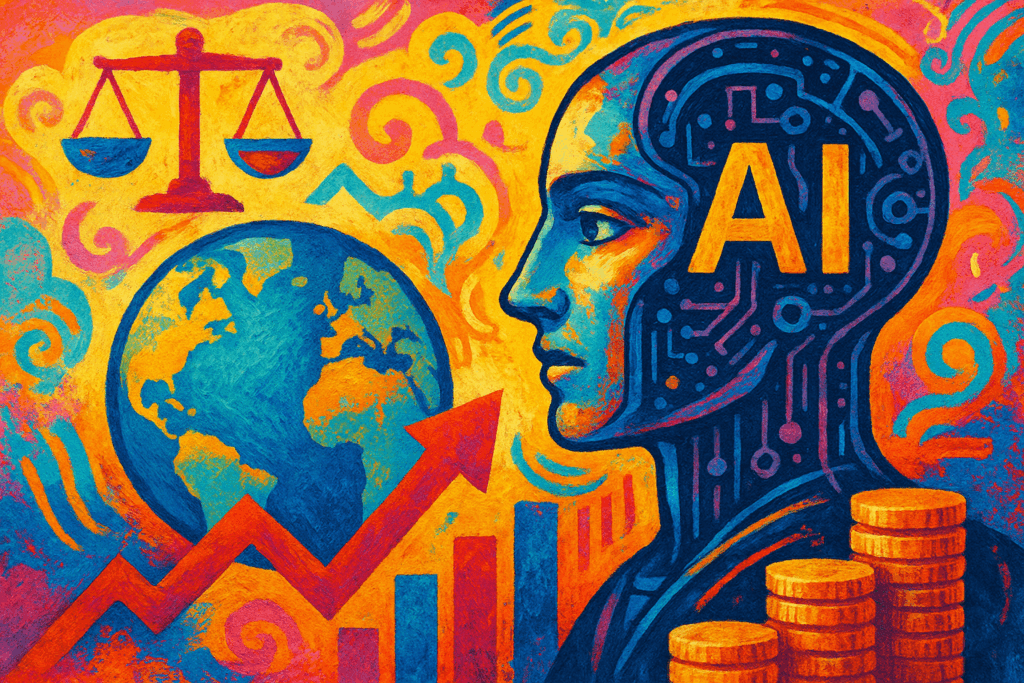
Current legal responses are fragmented. States, regions, and individual agencies propose different obligations, creating compliance complexity and regulatory arbitrage. Without a coherent federal or international baseline, well-meaning rules can harm competitiveness, creating the AI collective-action problem: jurisdictions that regulate strictly risk losing talent, investment, and control over infrastructure to less regulated rivals.
Effective governance must answer difficult technical and political issues: how to certify models, attribute modifications, verify compliance across borders, and penalize covert development. Technical gaps include robust testing for emergent capabilities and methods for transparent audits. Political gaps include mistrust between nations and commercial incentives to race for advantage.
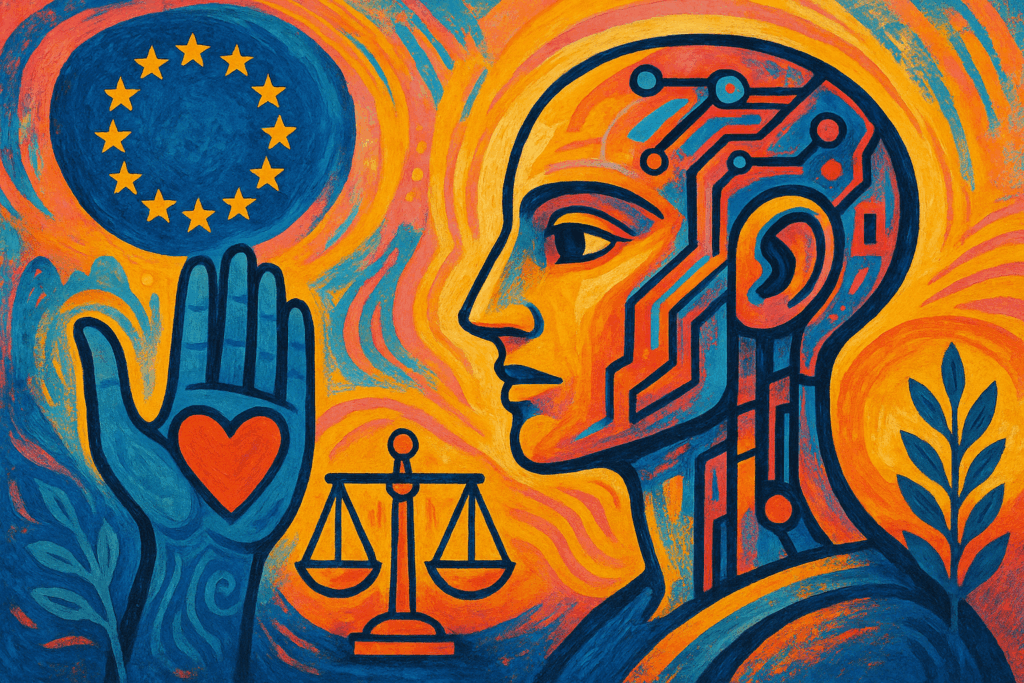
Practical steps start with coordinated international frameworks: shared safety standards, model registries, agreed export controls, and multilateral inspection mechanisms. Policy tools should align incentives: conditional access to markets and capital for compliant developers, collaborative R and D on containment techniques, and synchronized enforcement to reduce arbitrage. Investors and corporate boards should demand independent safety assessments and disclosure of model provenance.
Regulating AI-builds-AI is an interdisciplinary, geopolitical challenge. Absent swift, harmonized action, technical advances will outpace the institutions meant to govern them. The choice is stark: build interoperable guardrails now, or accept elevated systemic risk later.