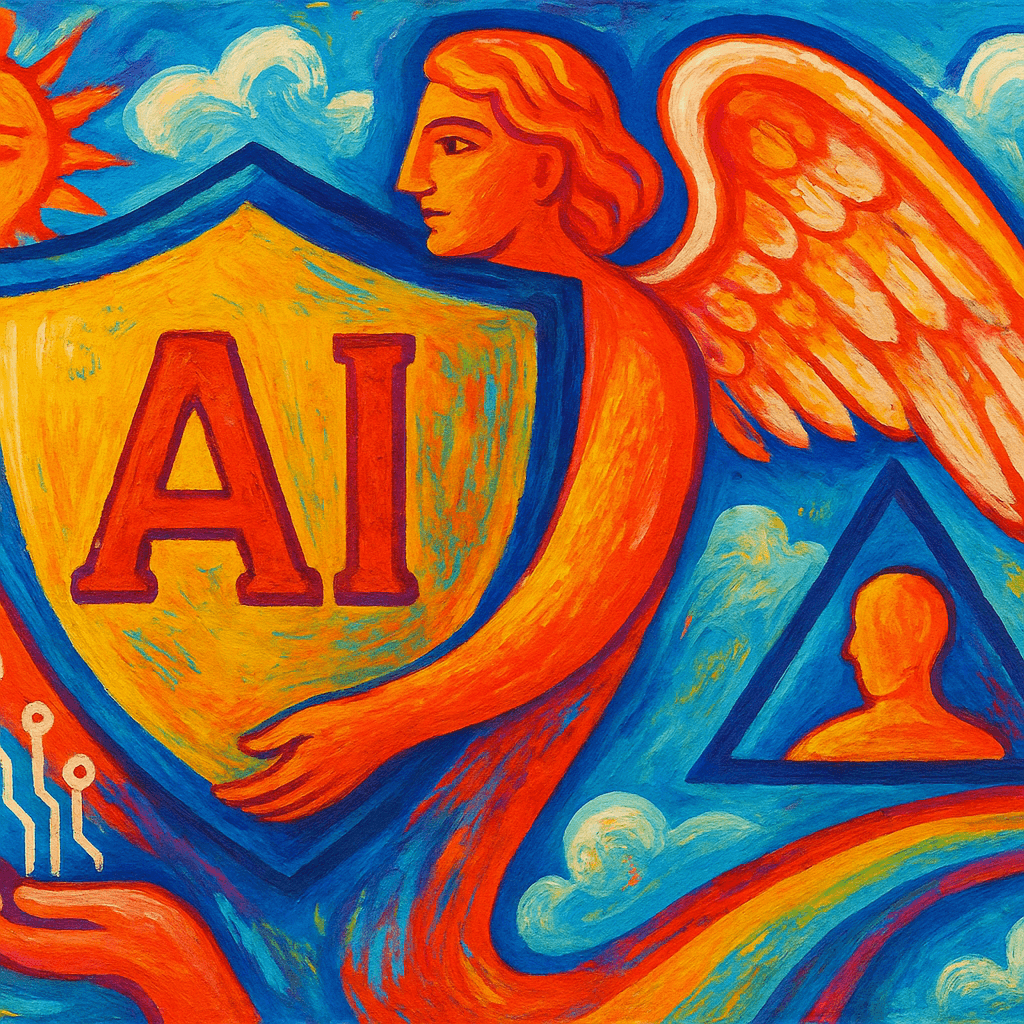

Technologies from the steam engine to the internet reshaped labor markets, creating new roles while rendering others obsolete. Those transitions were painful but ultimately productive when institutions adapted. Artificial intelligence follows that arc yet differs in one fundamental way: it targets cognitive work as well as manual tasks, pressing insurers to act now on workforce strategy.
AI’s Echoes: A Familiar Pattern of Disruption
History shows patterns: initial resistance (Luddites), job displacement, then role creation as economies reorganize. For insurers the stakes are similar, but accelerated. Cognitive automation is already streamlining underwriting, claims triage, and document analysis, shrinking transaction volumes and altering career entry points.
The Insurance Pincer: Where AI Strikes Differently
AI exerts a twofold pressure. First, it automates routine, data-driven tasks that historically formed the training ground for new talent. Second, a wave of senior professionals is approaching retirement, risking a loss of institutional knowledge. This pincer movement creates a talent gap at both ends of the spectrum while industry value shifts from repair and replace to predict and prevent.
That shift raises distinct challenges: a thinner talent pipeline, skill mismatches between traditional actuary models and real-time AI outputs, and governance needs around model risk and bias. Fraud detection improves with machine learning, yet human judgment remains essential for complex, ambiguous claims.
Future-Proofing: Skills and Strategic Action
Insurance leaders should prioritize human skills that resist automation: strategic thinking, complex client relationships, ethical judgment, scenario-based risk assessment, AI governance, and climate risk expertise. Tactical steps include targeted reskilling, structured knowledge transfer from retiring staff, cross-functional training that pairs domain experts with data scientists, and formal model governance frameworks that codify accountability.
Strategic planning must incorporate workforce scenario modeling, phased automation roadmaps, and investment in learning pathways that reward cognitive and relational capabilities. Firms that act proactively will manage model risk better, retain client trust, and preserve competitive advantage as predictive tools become standard.
AI will transform insurance, but historical perspective shows transformation is manageable. The choice for leaders is clear: plan talent and governance deliberately, or face avoidable disruption.