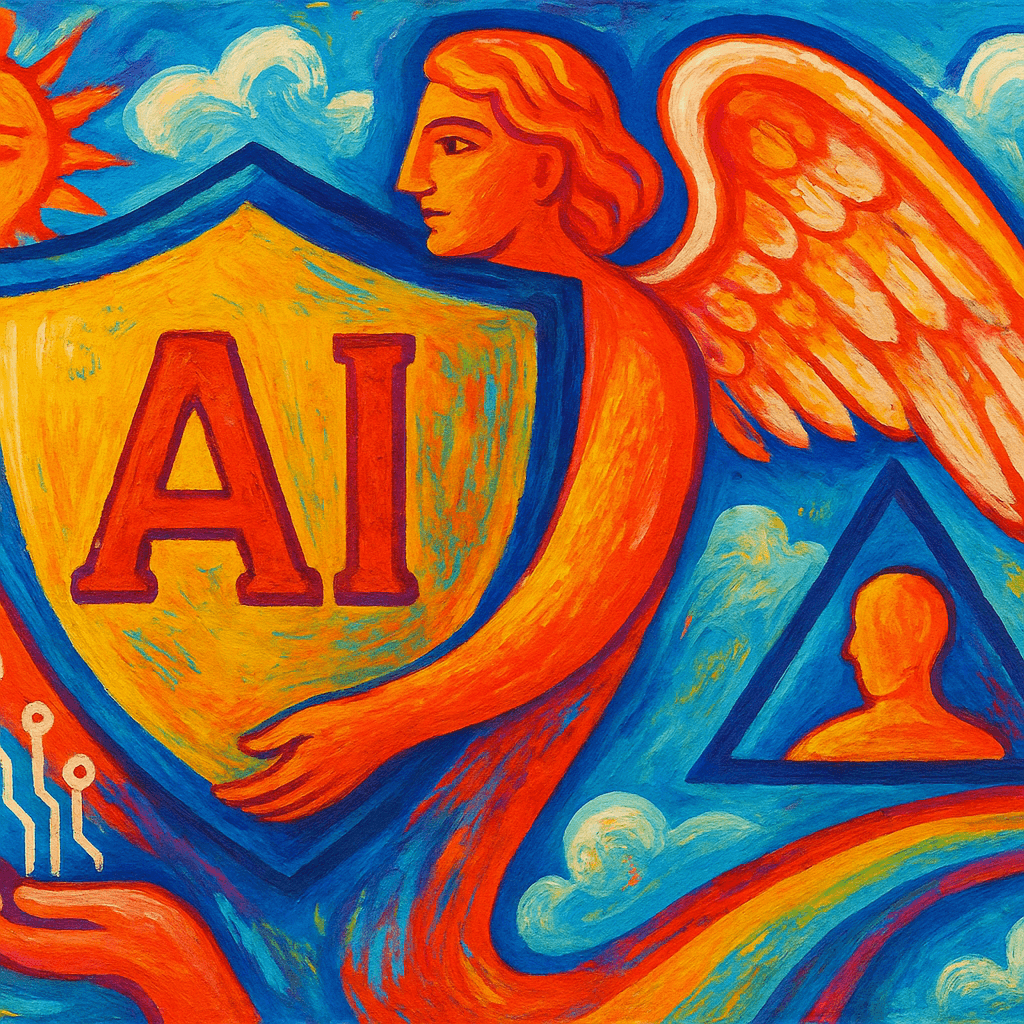

AI’s Role in Insurance: Professionals Become More Important
AI is reshaping underwriting, claims triage and customer servicing, but not by replacing people. As Adam Harper and leaders at the Chartered Insurance Institute note, automation will handle routine data work while amplifying the value of human expertise. That shift means insurers who invest in their people will gain a market edge through faster decisions, better customer relationships and stronger governance.
The Evolving Skillset for Insurers
Technical literacy with AI tools matters, but so do distinctly human strengths. Organize priorities into three categories:
- Analytic judgement and critical thinking: interpret model outputs, spot bias and reconcile conflicting data.
- Ethical leadership and trust building: make value-based choices, explain decisions to customers and regulators, and manage disclosure.
- Customer understanding and complex problem solving: translate individual needs into bespoke solutions where templates fail.
Communication, contextual risk assessment and oversight of automated systems are equally important. These capabilities convert model assistance into sound commercial outcomes.
Industry Mobilizes for Future Readiness
Public-private efforts are emerging to prepare the workforce. The Financial Services Skills Compact promotes coordinated upskilling and career routes across the sector. The Chartered Insurance Institute is updating qualifications and guidance so professionals can work confidently with AI. Employers are adopting targeted reskilling, role redesign and talent attraction to retain competitive advantage.
Human Judgment: The Enduring Competitive Edge
AI offers speed and scale; human judgment supplies nuance, ethics and accountability. Future-ready professionalism combines technical tool fluency with deep domain knowledge and moral competence. That blend preserves customer trust, meets regulatory expectations and creates differentiation. For brokers, underwriters, claims specialists and leaders, the task is clear: develop skills that machines cannot replicate and position teams to use AI as a force multiplier rather than a substitute.