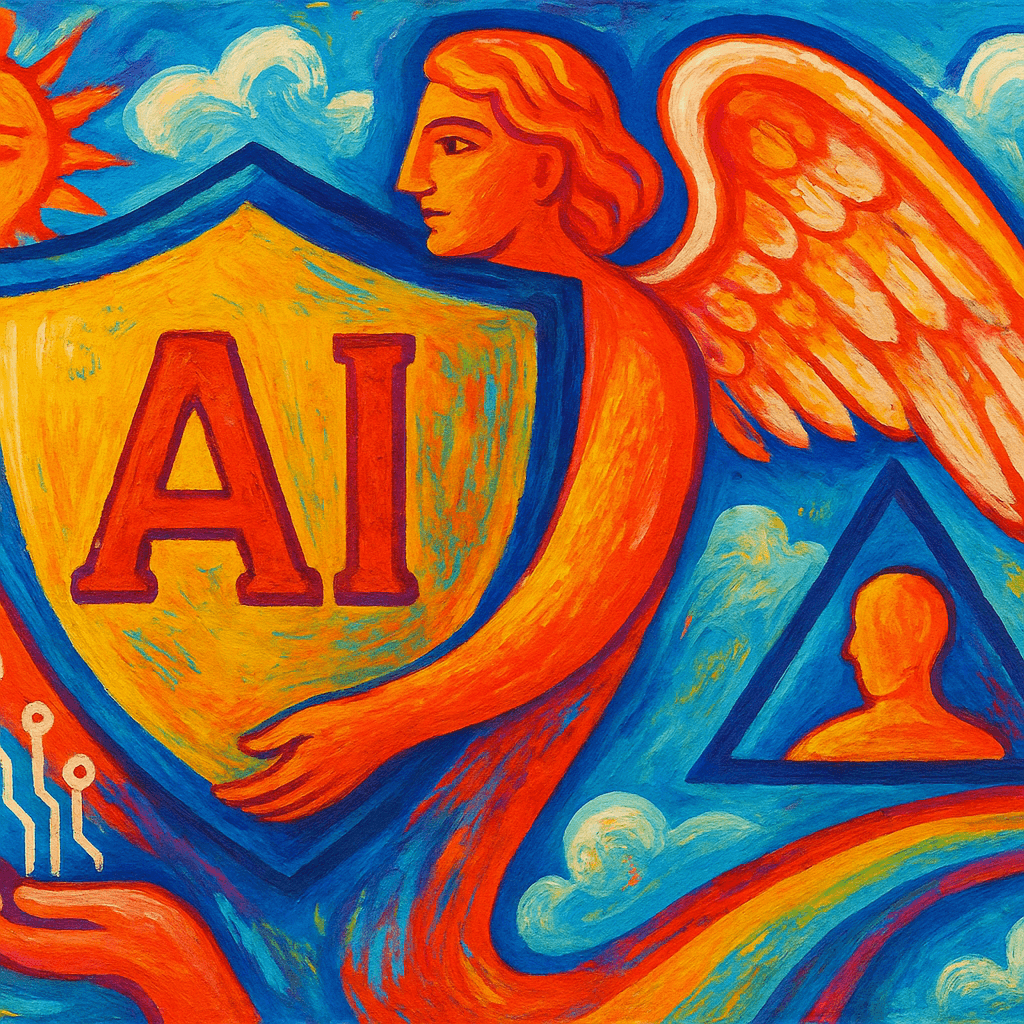
Artificial intelligence promises productivity gains across underwriting, claims and risk modelling. Yet industry leaders warn of a parallel risk: as experienced professionals retire, irreplaceable judgement and informal knowledge can evaporate. CII chief executive Matthew Hill has urged the sector not to let the AI narrative obscure the strategic task of protecting human expertise. This article explains how insurers can treat AI as a force multiplier while deliberately preserving and developing the human capital that sustains long-term resilience.
The Critical Balance: AI as a Tool, Not a Replacement
AI delivers speed and pattern recognition at scale, but it cannot reproduce the contextual judgement that underpins complex decisions. Human advisers hold tacit knowledge about client relationships, ambiguity in policy wording and the historical reasons behind underwriting norms. Leadership must position AI to augment judgement rather than supplant it, assigning machines to repeatable tasks and reserving ambiguous, high-stakes choices for experienced professionals supported by AI insights.
Nurturing Human Capital: Leadership and Knowledge Transfer
Most valuable expertise travels informally: through side-by-side mentorship, oral history, case review and role modelling. Organisations should map who holds critical knowledge and how it moves. Visible leaders play a central role by modelling decision practices, explaining trade-offs and creating occasions for apprentices to absorb nuance. Practical tactics include structured shadowing, rotating placements, curated case libraries and senior-led storytelling sessions that record not only outcomes but reasoning and context.
Strategic Path Forward: Integrating AI While Valuing Talent
Insurers need a dual approach. First, adopt AI where it measurably reduces cost or error, and embed subject matter experts in model development and oversight. Second, invest in people programs that capture tacit knowledge and accelerate leadership pipelines through mentorship, succession planning and deliberate practice. Governance should require human sign-off for high-impact decisions and track knowledge continuity as a board-level risk metric.
The industry that best combines machine capability with preserved human judgement will win trust, manage risk and deliver sustainable growth. Preserving expertise is not an optional HR task. It is a strategic imperative that must run alongside AI adoption.