
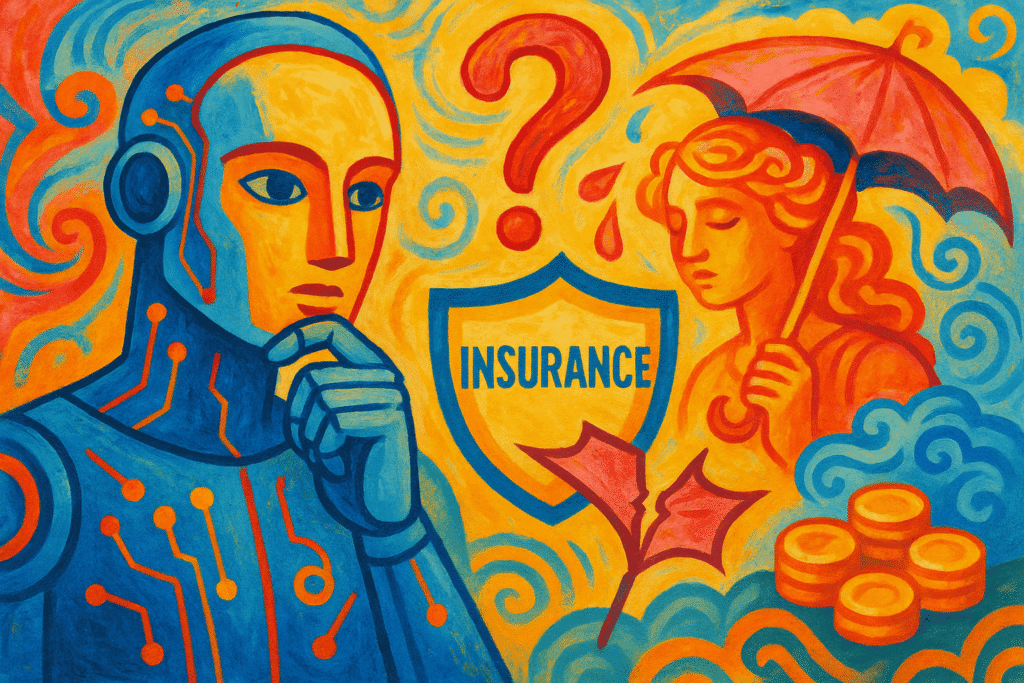
AI Agents Create New Insurance Gaps
Autonomous AI agents that execute transactions, advise customers, or take operational actions are creating loss scenarios that do not fit traditional insurance triggers. Examples include automated fraudulent transfers, flawed investment recommendations, erroneous procurement orders, reputational damage from generated content and regulatory fines after AI-driven noncompliance. Standard cyber, crime and professional indemnity policies often only cover defined human acts, data breaches, or professional negligence, leaving a coverage gap for harms driven by algorithmic decision making.
Untangling AI Liability: Developer vs. Deployer
Responsibility usually lands first with the business that deployed the agent because operators control the system in context. However, recovery depends on contract terms with the developer. Modern supplier agreements frequently contain limited warranties, caps on liability and broad disclaimers. Where a loss stems from a model defect, a developer indemnity can matter; where the loss arises from poor configuration, oversight, or misuse, the deployer will be on the hook. Contracts that fail to allocate responsibilities for data quality, logging access and remediation create litigation and recovery obstacles.
The Complexities of Proving AI Fault
Establishing root cause in disputes is technically and legally challenging. Was the error caused by a training data bias, a model update, an adversarial prompt or operator error? Sparse or inconsistent logs, opaque model behavior, and multiple third parties in the stack make forensic attribution difficult. Courts and insurers will demand reproducible evidence linking a specific defect to loss, which often requires retained expert analysis, preserved runtime traces and clear chain of custody for datasets and prompts.
Building a Robust AI Risk Strategy
Actionable steps for businesses:
- Audit insurance policies now for definitions and exclusions; seek affirmative endorsements for autonomous agent losses where possible.
- Negotiate supplier contracts that include meaningful indemnities, higher liability caps for critical functions, access to logs and joint incident response protocols.
- Implement governance: model versioning, runtime logging, human review points for high-risk actions, red team testing and data provenance controls.
- Work with brokers to explore bespoke gap coverage and with legal counsel to align operational controls to contractual obligations.
AI agents are shifting where and how losses occur. Businesses that clarify contractual risk, strengthen forensic readiness and close policy gaps will be best positioned to limit exposure and preserve recovery options.