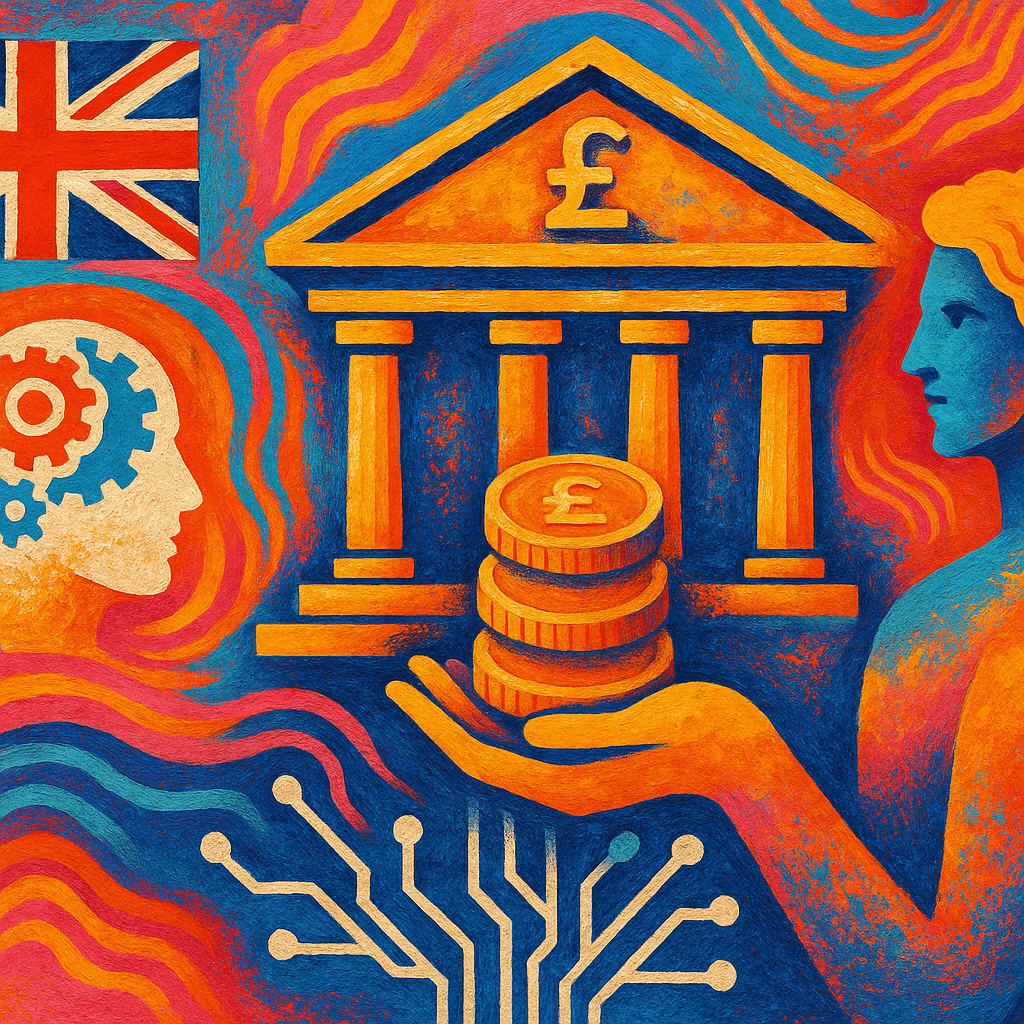

Artificial intelligence is reshaping banking operations, customer engagement and risk controls. From machine learning models that score credit to conversational agents that handle common service tasks, AI is moving from pilots to full production. This concise guide highlights practical applications delivering measurable value and a strategic view for financial leaders.
Practical AI Applications Redefining Banking
Personalized Customer Experiences
Machine learning powers segmented offers, next-best-action engines and real-time personalization across channels. Banks use behavioral data to tailor product recommendations, pricing and servicing while chatbots and virtual assistants handle routine inquiries and free human agents for complex work. The result is higher conversion, better retention and more efficient client journeys when data governance and privacy controls are in place.
Strengthening Security and Fraud Detection
AI enables real-time anomaly detection across payment flows, account activity and identity signals. Models identify synthetic identities, unusual patterns and sophisticated fraud rings faster than rule-based systems, reducing false positives and shortening investigation cycles. Behavioral biometrics and adaptive authentication add continuous risk scoring that improves security without degrading customer experience.
Boosting Operational Efficiency
Automation combined with natural language processing accelerates document processing, KYC review and loan underwriting. Robotic process automation handles repetitive workflows while AI extracts structured data from unstructured sources. This lowers processing costs, improves turnaround times and lets staff focus on exceptions and advisory tasks that add higher value.
The Strategic Outlook for AI in Finance
Looking ahead, banks must treat AI as an enterprise platform problem: invest in clean data, scalable cloud architecture, model governance and explainability. Regulators and auditors expect transparent controls and monitored model drift. Strategic priorities include embedding AI into core products, forming fintech partnerships, and upskilling teams to manage model risk. When aligned with sound data practices and governance, AI delivers measurable gains in customer satisfaction, security and cost efficiency while shaping the future of banking.