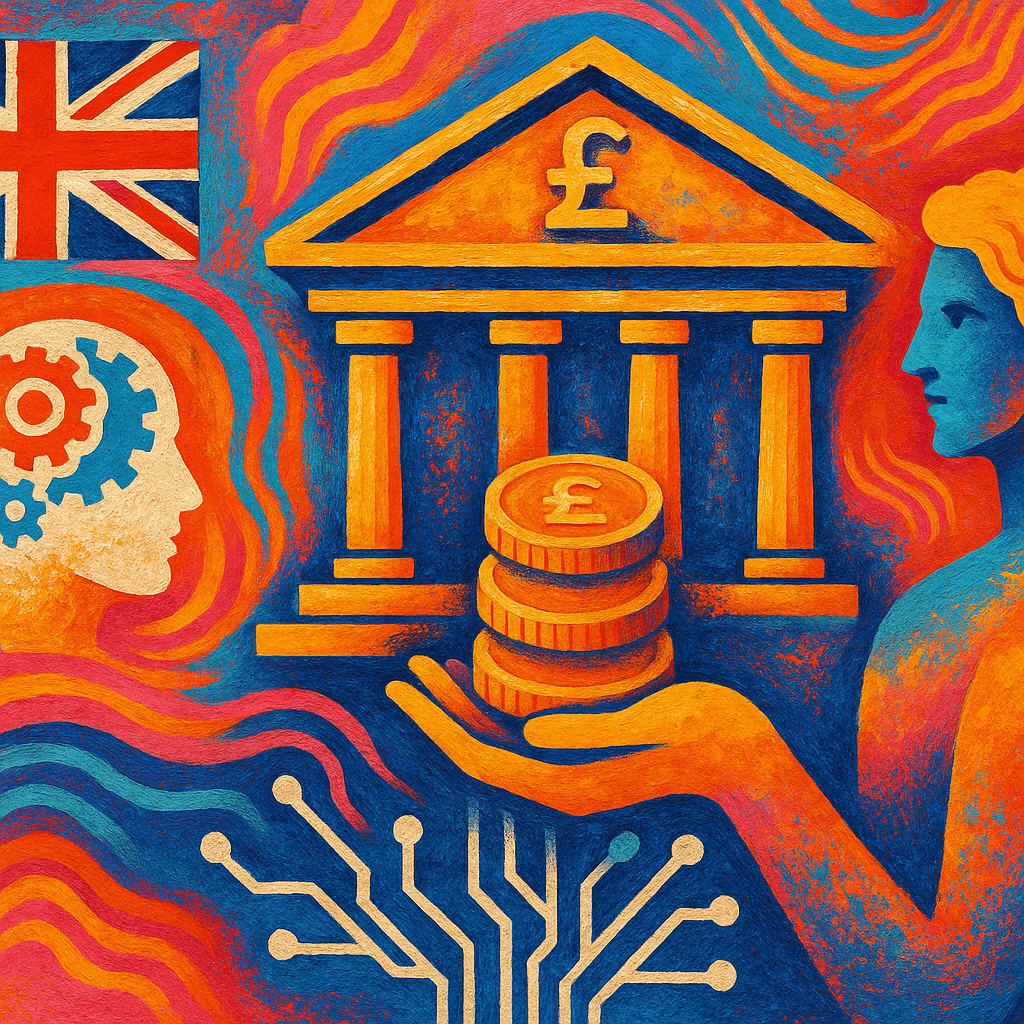
AI’s Growing Footprint in Banking: A Strategic Snapshot
AI integration in banking has moved from pilots to production across risk, operations, and customer experience. Financial institutions are using machine learning and large language models to speed decisions, reduce manual work, and personalize services while regulators and auditors increase scrutiny. This note highlights where AI is delivering value now and what leaders must prioritize next.
Core Applications and Immediate Impact
- Fraud detection and AML: Real-time pattern detection and anomaly scoring reduce false positives and accelerate investigations.
- Credit underwriting and risk scoring: Alternative data and predictive models improve portfolio insights and pricing precision.
- Customer service and personalization: NLP-driven assistants and tailored product recommendations raise retention and cross-sell rates.
- Trading and analytics: AI augments research, pricing, and algorithmic strategies with higher-frequency signals.
- Operational automation: Robotic process automation and ML streamline KYC, reconciliation, and reporting workflows.
Driving Efficiency and Personalization
AI enables faster, data-driven decisions and more relevant customer interactions. Implementations that combine real-time scoring, explainability, and feedback loops deliver measurable cost savings and revenue lift. Critical to success are reliable data pipelines, model monitoring, and clear escalation paths to human teams.
Looking Ahead: Strategic Imperatives for Banks
- Data governance and quality: Treat data as a strategic asset with lineage and cataloguing to support models and audits.
- Model risk and explainability: Deploy tools for interpretability, testing, and performance validation under stress scenarios.
- Human-in-the-loop design: Combine automated scoring with expert oversight for high-stakes decisions.
- Vendor and architecture strategy: Favor modular, interoperable platforms and clear contract terms on model updates.
- Regulatory readiness: Prioritize documentation, reproducibility, and consumer protection safeguards.
Takeaway: Short-term gains come from focused deployments in risk and servicing, while sustainable advantage requires disciplined data practices, model governance, and alignment between technology and business strategy.