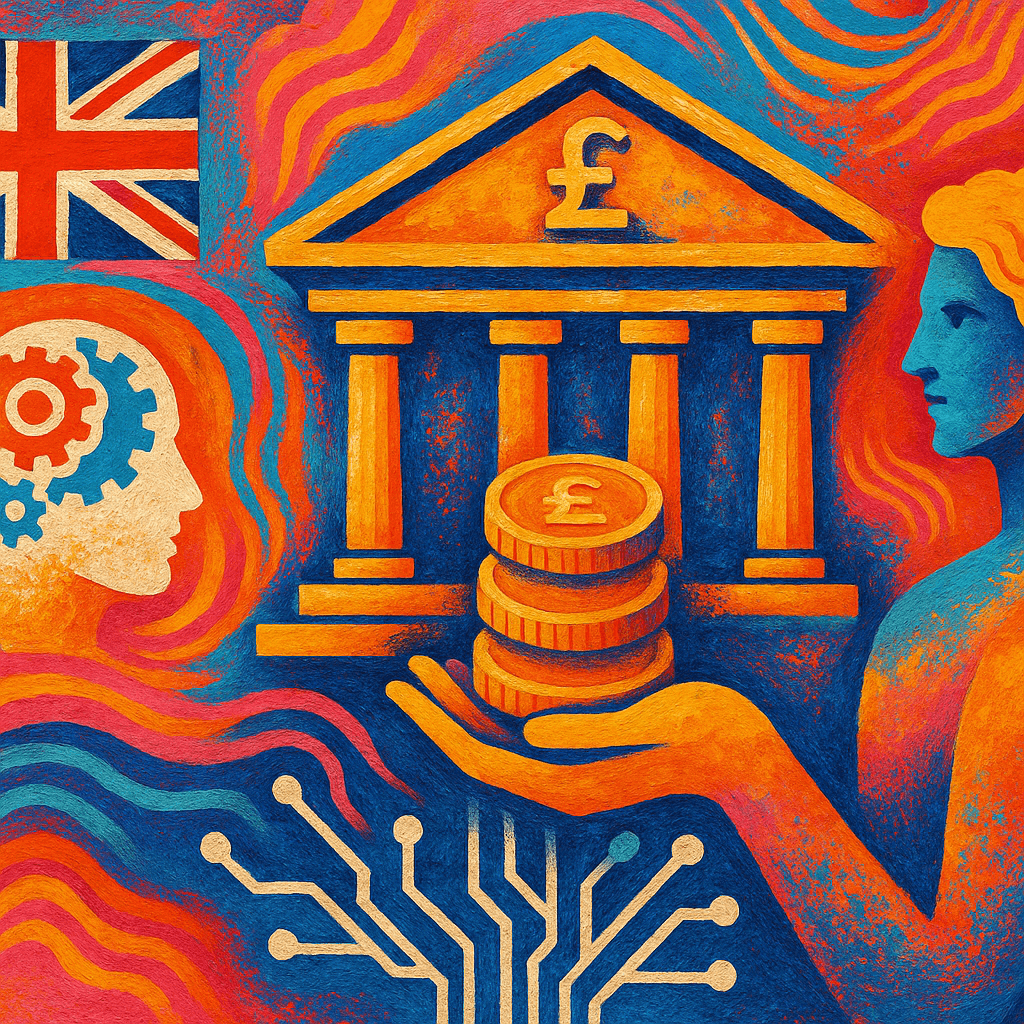

AI Reshaping Banking: A Strategic Overview
Artificial intelligence is moving beyond pilot projects to affect core banking functions. For executives, the priority is not novelty but measurable impact: faster decisions, lower operating costs, sharper risk controls, and more relevant customer interactions. AI is now a strategic technology that aligns data, processes, and product delivery.
Beyond Automation: Key Applications Driving Change
- Customer experience: Personalized offers, predictive guidance, and 24/7 conversational agents that reduce friction and lift retention.
- Operational efficiency: Intelligent process automation and document understanding that shorten cycle times and reduce error rates.
- Risk management: Machine learning for fraud detection, transaction monitoring, and more granular credit scoring.
- Data analytics: Real-time segmentation and predictive models that enable dynamic pricing and portfolio optimization.
- Compliance: Automated transaction surveillance, KYC augmentation, and regulatory reporting that lower compliance burden.
The Strategic Advantage: Benefits for Banks and Customers
AI converts data into action. Benefits include faster underwriting, better loss prevention, reduced manual processing, and customized client journeys. For customers, this means timely, relevant services and simpler interactions. For institutions, it means improved margins and more defensible products when AI is governed and measured against clear KPIs.
Road Ahead: Challenges and Considerations
- Data quality and integration: Legacy silos limit model performance and must be addressed early.
- Model risk and explainability: Regulators and stakeholders expect transparent decision logic and robust validation.
- Bias and fairness: Continuous monitoring and bias mitigation are required to maintain trust.
- Privacy and regulation: Data governance, consent frameworks, and auditable pipelines are non negotiable.
- People and change: Upskilling, cross-functional teams, and partner ecosystems accelerate delivery.
The Future of Banking: AI’s Indispensable Role
Near-term trends include wider use of generative models for client interactions and reporting, synthetic or federated data to unlock insight without compromising privacy, and mature MLOps to move from models to repeatable production value. Leaders should prioritize focused use cases, a strong data foundation, and governance frameworks that let models scale safely. With that approach, AI will be a defining capability in modern financial services.