AI’s Evolving Role in Commercial Insurance
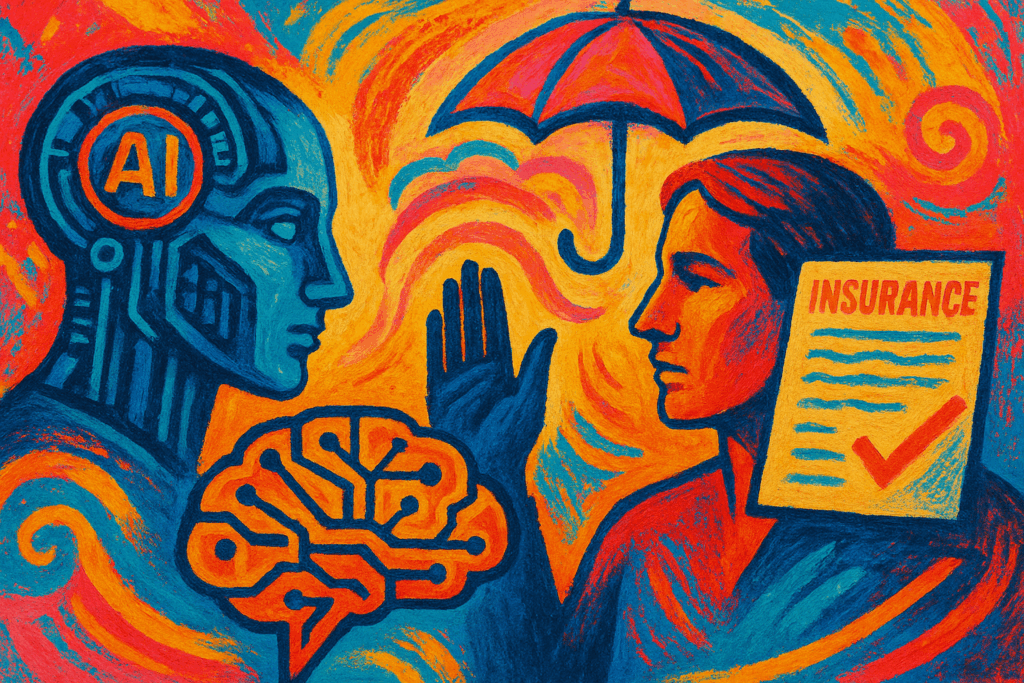
Artificial intelligence is changing how commercial insurers work by acting as a high-powered assistant for underwriters and brokers. Machine learning, natural language processing and predictive models surface hidden patterns in claims, exposures and policy wording. These tools speed analysis, surface potential pricing gaps and prioritise files for human review. They are not a substitute for expert judgment in complex commercial lines; they amplify human decision making.
Combating Underinsurance with Smart Data
Underinsurance remains widespread in commercial portfolios because property values, business interruption exposures and supply chain dependencies vary widely across accounts. AI-driven data enrichment pulls together satellite imagery, third-party valuation data, building attributes and historical claims to produce better replacement-cost estimates and interruption exposure metrics. Automated flags highlight accounts where sums insured fall short and generate inspection or broker queries. In practice, richer data and modelled scenarios reduce protection gaps and support fairer pricing.
Streamlining Operations and Empowering Professionals
Operational bottlenecks in submission handling and policy servicing are low-hanging fruit for AI. Automated extraction of policy terms, claim histories and asset lists cuts manual admin time. One insurer reported a 25% lift in fleet submission efficiency through automation. Conversational AI assistants, such as Aviva’s Oasis, answer routine policy queries instantly, freeing underwriters and brokers to focus on bespoke placements and negotiation. The result is faster service, lower cost per policy and more time for complex assessments.
The Indispensable Human Element
Commercial risks often demand bespoke coverage, judgement on aggregation, and broker relationship work that models cannot replicate. Catastrophe exposure, unique contractual liabilities and evolving operational risks require underwriter discretion. The optimal path combines AI-driven insight with human experience: machines surface signals and handle routine work; people interpret nuance, negotiate terms and accept or decline risk. That hybrid approach delivers better risk management, improved client outcomes and competitive advantage for insurers and brokers prepared to use AI as a strategic assistant.