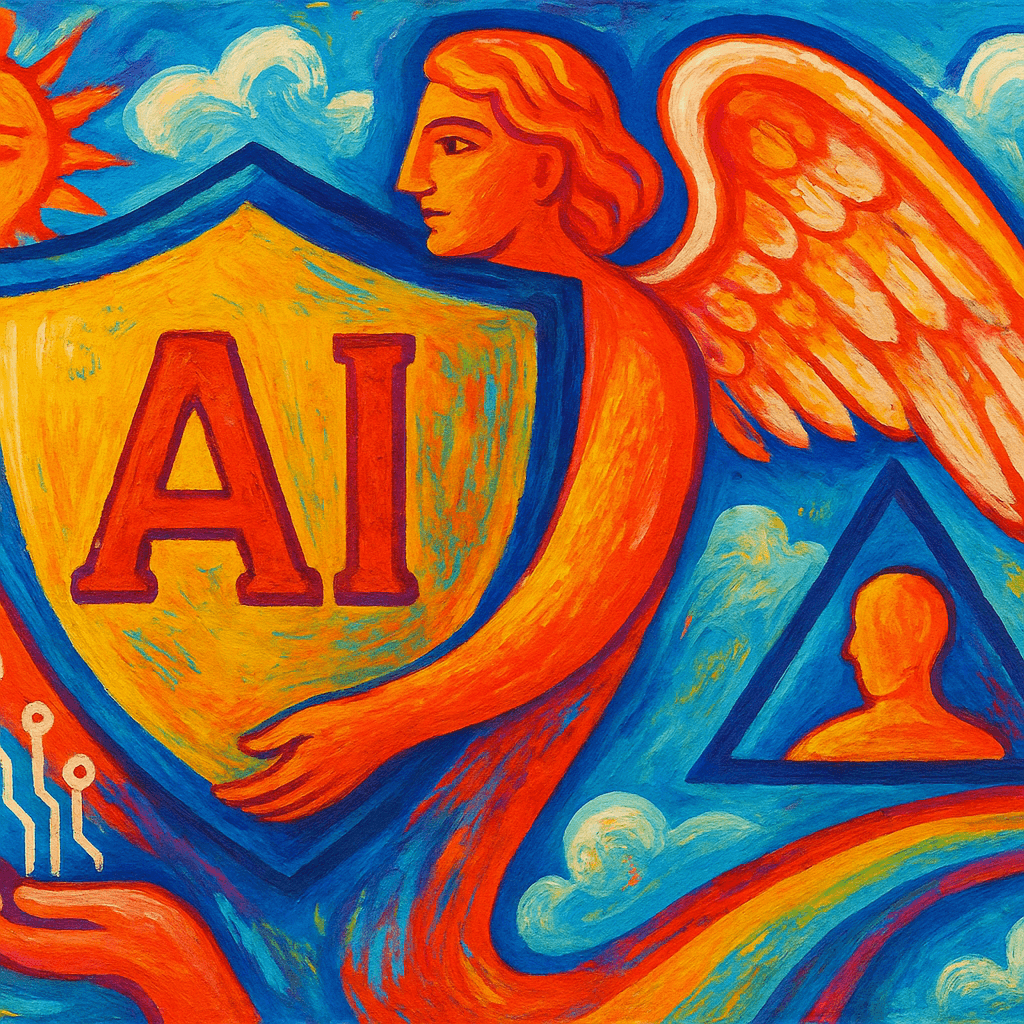

The Alarming Rise of AI-Powered Ransomware
Ransomware incidents have climbed about 34% year-on-year as threat actors adopt AI tools to automate reconnaissance, craft convincing phishing and generate exploit code at scale. Readily available generative models lower technical barriers and enable ransomware-as-a-service operations to mount faster, more targeted campaigns. Insurers are also seeing a shift from pure encryption to data extortion, where criminals steal data and threaten publication if demands are not met.
Cyber Insurance: Adapting to Evolving Risk
The cyber insurance market is maturing. Underwriting has tightened, premiums and retentions have risen, and carriers are more disciplined on coverage terms. The US market remains more developed and competitive, while many international markets still face a cyber insurance gap driven by low awareness and the perceived intangibility of cyber losses.
Implications for Underwriters and Risk Managers
AI-driven threats widen aggregation exposures and complicate modeling of likelihood and severity. Insurers must update scoring to include adversarial AI risk, credential hygiene, third-party dependencies and telemetry data. Demand for incident response and forensic services is rising, making insurer-led breach response a central value proposition.
Supply Chain and Small Business Vulnerabilities
Supply chain attacks amplify losses across clients with limited cyber defences. Small and mid-sized firms remain underinsured and often serve as vectors for larger losses. Insurers that integrate supply chain risk assessments into underwriting will reduce silent exposures.
Strategic Opportunities
AI-driven cybercrime is a call for product innovation: risk-based pricing tied to telemetry, conditional coverage for proactive controls, partnerships with managed security providers, and enhanced loss control services. Carriers that combine sharper modeling with client advisory can convert threat escalation into profitable growth.
For insurance executives, the task is clear: update risk frameworks, invest in threat intelligence and loss response capabilities, and close adoption gaps through education and tailored products. The industry that responds fastest will set the standards for coverage and resilience in an AI-augmented threat landscape.