AI Regulation: The Risk of Stifling Innovation
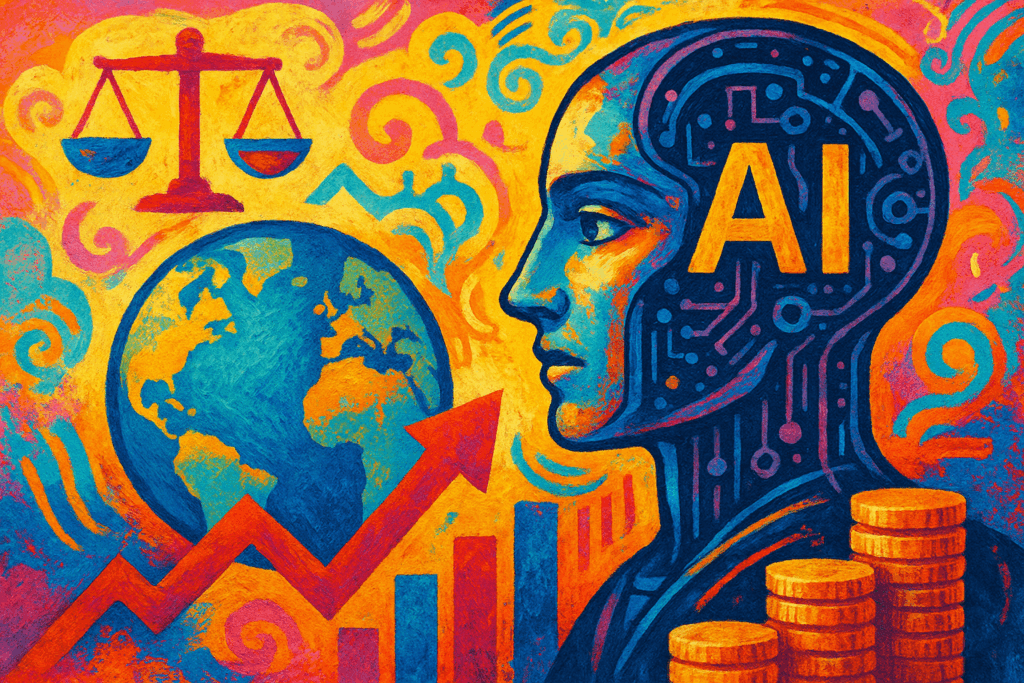
Public debate treats Big Tech as the primary source of AI risk and argues for detailed regulatory fixes. Viewed through Austrian economics, that diagnosis misses a deeper problem: top-down prescriptions often lock in incumbent advantages and slow the market processes that produce genuine innovation.
Big Tech’s Stagnation: A Schumpeterian View
Joseph Schumpeter described innovation as creative destruction. Firms like Amazon, Apple and Meta can become large, bureaucratic and risk-averse after early success. That internal stagnation is best countered by new entrants, not by substituting government managers for market selection. When regulation raises compliance costs, it raises the barrier for challengers and amplifies incumbents’ positions.
Why Regulation Harms AI’s Future: Hayek’s Warning
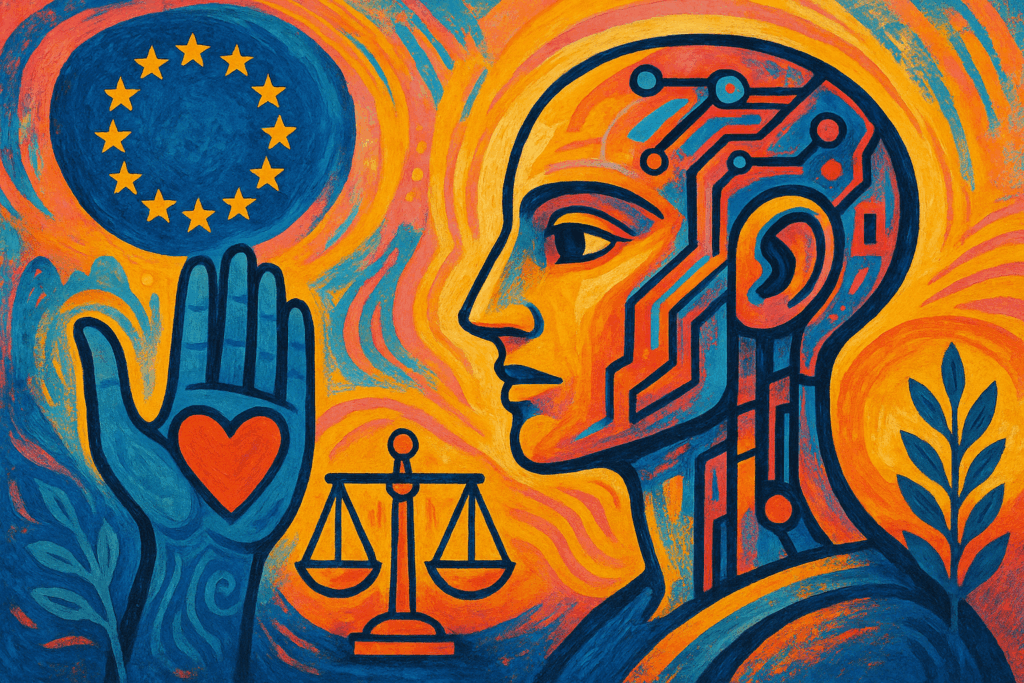
F.A. Hayek warned about the knowledge problem: no central planner can aggregate dispersed, dynamic information well enough to design optimal outcomes. AI systems evolve rapidly. Rules that prescribe architectures, datasets or lifecycle steps will be out of date on arrival. The EU AI Act illustrates the risk: broad classifications and heavy documentation requirements can freeze architectures, favor firms with legal and compliance budgets, and invite regulatory capture by established players.
Fostering True AI Innovation: A Path Forward
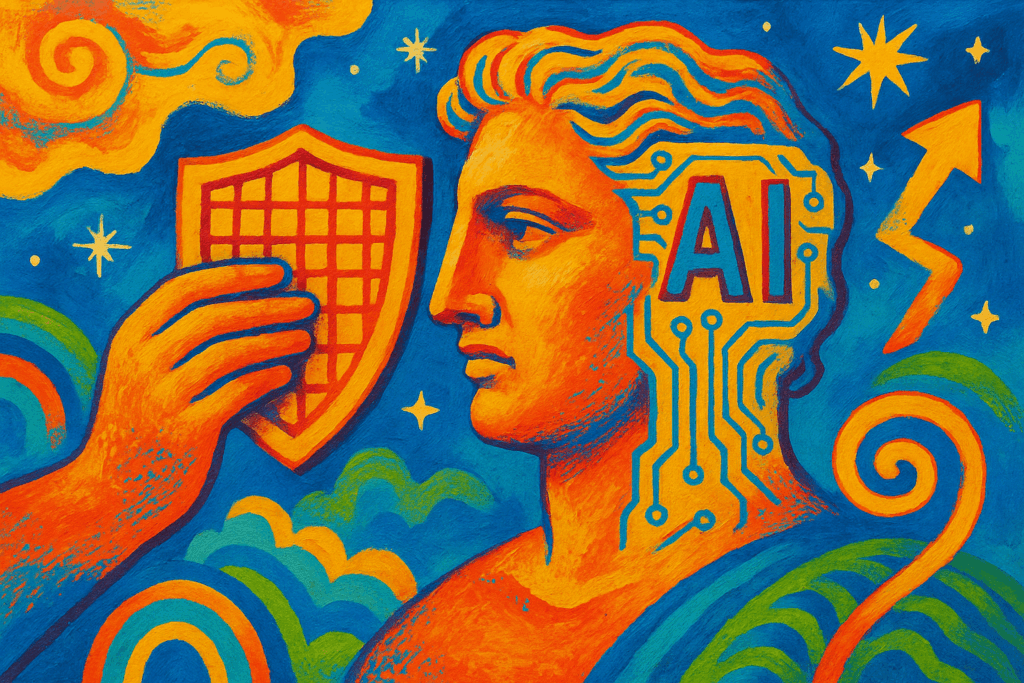
Combining Schumpeter and Hayek suggests a different policy toolkit. Favor low-friction entry: proportionate, tech-neutral standards; liability frameworks that penalize harmful outcomes without micromanaging methods; regulatory sandboxes for experimentation; and public support for open-source efforts to diffuse capability. Stable, predictable rules protect rights and safety while leaving discovery to decentralized competition.
The real threat to long-term AI progress is not only corporate power, and not only market failure. It is a hybrid of managerial bureaucracy and centralized planning that privileges incumbents. Policies that lower barriers, preserve competition and protect decentralized discovery offer a better route to robust, resilient AI innovation.