
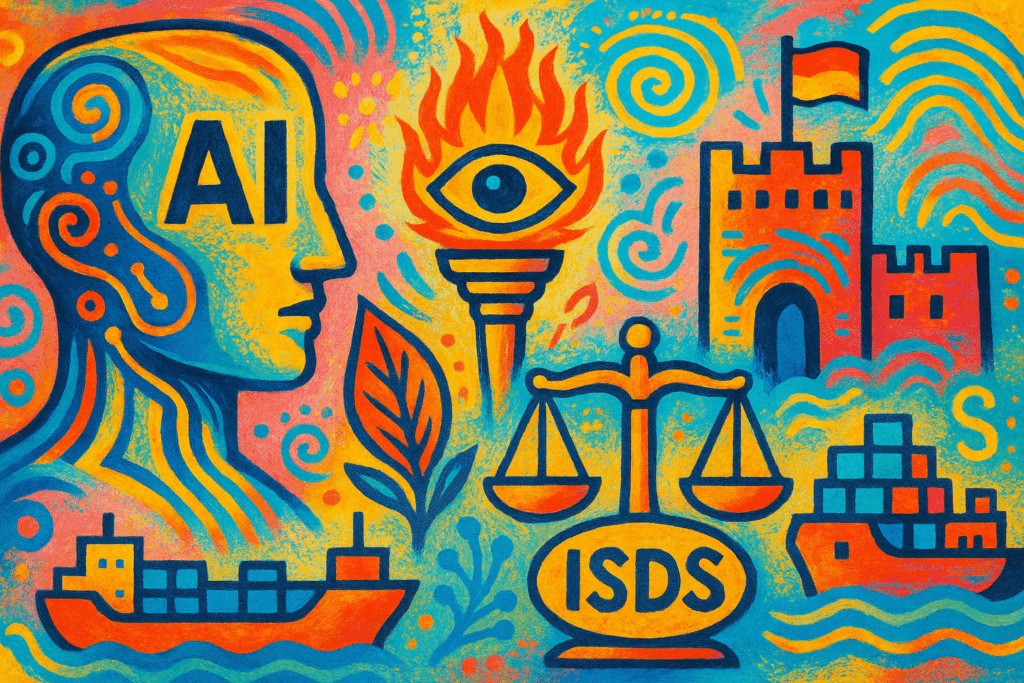
The Intersection of AI, Security, and Global Investment
Governments are tightening AI rules as part of national security strategies, and those rules can directly affect foreign tech investors. When states restrict imports, block acquisitions, or impose data controls, affected companies may turn to Investor-State Dispute Settlement, known as ISDS, to seek compensation under international investment treaties.
Past Tech Disputes Set Precedent
Recent cases involving 5G vendors and surveillance technology show how security concerns translate into market action. Bans or divestment orders against foreign suppliers have led to investor claims and long legal fights. These precedents signal that AI-related measures, from hardware export controls to platform restrictions, can become the basis for ISDS disputes.
Key National Security Risks in AI
- Data access and cross-border flows: Rules requiring local data storage or government access can undermine cloud and model businesses.
- Export controls: Restrictions on advanced chips, training data or model transfer can interrupt supply chains and R&D plans.
- Outbound investment limits: Screening of foreign acquisitions or forced divestment can trigger investor claims.
- AI bias and public order: Systems that produce biased or destabilizing outputs may prompt emergency measures or bans.
Investor Protections and Strategic Considerations
Treaties and investment chapters typically offer protections such as Fair and Equitable Treatment, National Treatment and safeguards against uncompensated expropriation. These are common grounds in ISDS, but outcomes depend on treaty language and factual context.
How AI Businesses and Investors Should Respond
- Map where operations, data and suppliers trigger security rules.
- Review applicable investment treaties and dispute clauses before deploying capital.
- Build contractual protections, including dispute resolution clauses and state consent checks.
- Consider political risk insurance and legal contingency budgeting.
- Engage local counsel and policy advisers to monitor evolving rules and compliance obligations.
AI-focused firms and investors that translate regulatory signals into concrete risk plans will be better placed to protect value when national security and investment law collide.