
The AI Regulation Paradox for CIOs
Federal rhetoric about AI deregulation can create a false sense of relief. In practice, states and international bodies are building their own, sometimes divergent, rule sets. For CIOs this means the compliance horizon is not shrinking. It is fragmenting, raising operational, legal, and reputational risks as AI projects scale across lines of business and geographies.
A Patchwork of State and Global Rules
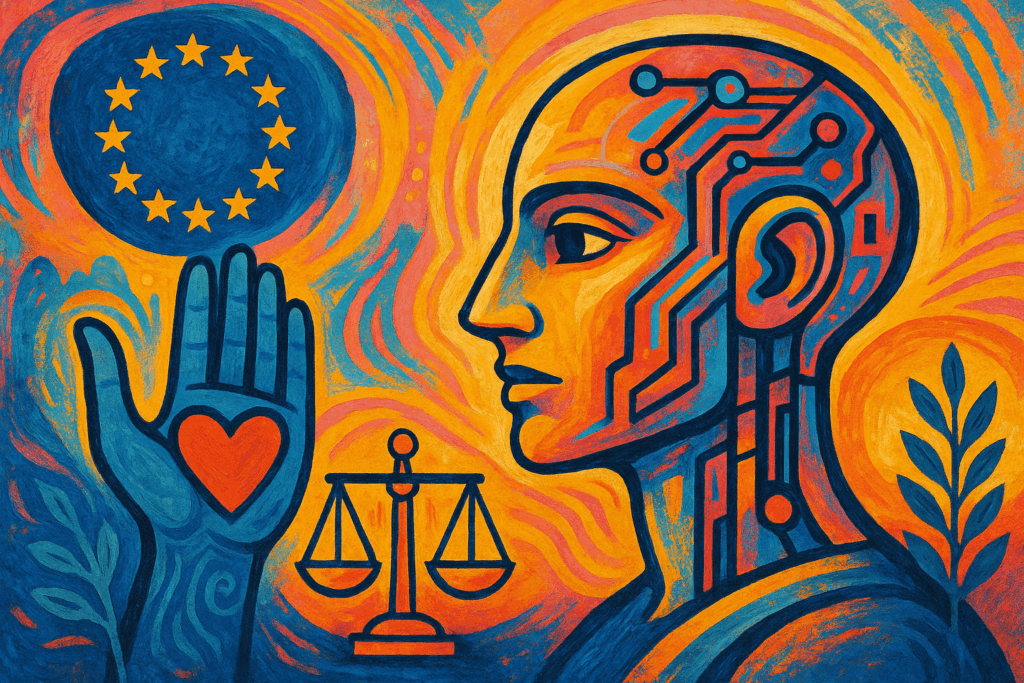
State-level laws and regional frameworks, such as the European Union’s approach, impose distinct obligations for transparency, risk assessment, and consumer protection. The result is overlapping requirements that can conflict or vary by jurisdiction, making a single federal stance irrelevant to day-to-day operational decisions.
The Challenge of Unseen AI
Complicating compliance is the rise of shadow AI and agentic systems. Line-of-business teams deploy third-party models, SaaS features, and autonomous agents without full IT oversight. CIOs face limited visibility into model provenance, training data, decision logic, and the operational boundaries of these systems.
Building a Unified AI Governance Strategy
Move from reactive fixes to a unified governance framework with these core steps:
- Create a living AI inventory that records models, owners, data lineage, risk ratings, deployment scope, and vendor attestations.
- Implement continuous evaluation for performance, drift, bias metrics, and security, with automated alerts tied to risk thresholds.
- Translate policy into measurable controls such as access restrictions, mandatory logging, explainability tests, and regular third-party audits.
- Integrate with enterprise risk management to align AI risk metrics with financial, legal, and operational KPIs.
- Update procurement and contracts to require transparency, incident reporting, and remediation commitments from vendors.
- Set a governance cadence with a cross-functional board that reviews high-risk models and approves exceptions.
The Imperative for Proactive AI Oversight
Federal speeches about deregulation do not change the ground truth: CIOs must operate in a fragmented regulatory world. Prioritize visibility, measurable technical controls, and governance processes that scale. That approach lets organizations move faster with AI while limiting exposure to regulatory, operational, and reputational harm.