
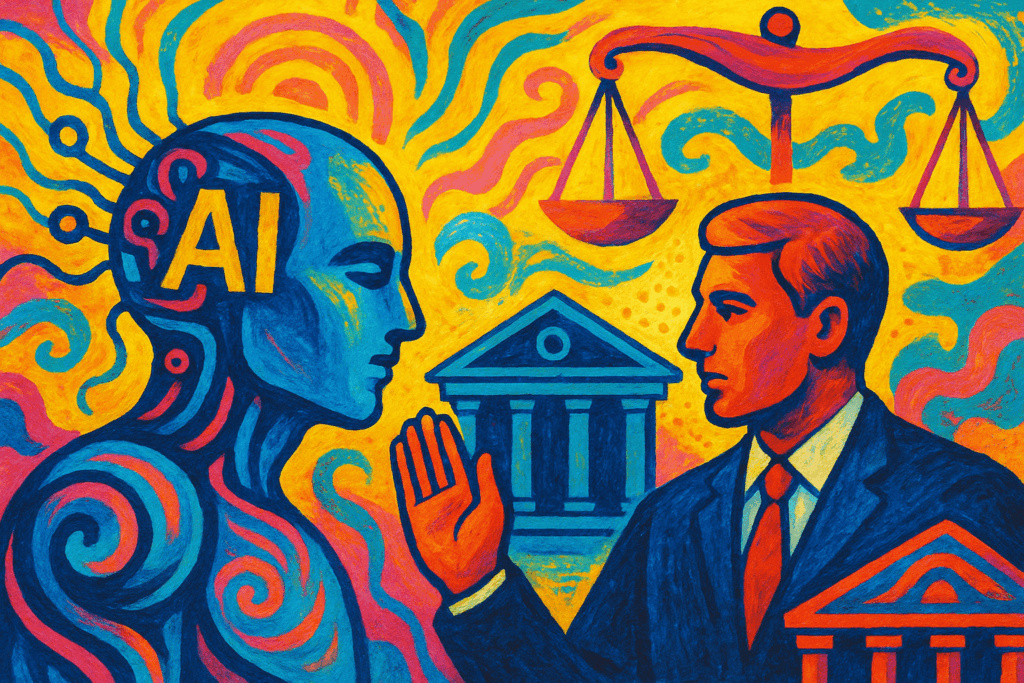
The Unprecedented Pace of AI in Finance
Artificial intelligence is moving from niche models to core banking infrastructure. Trading, credit scoring, liquidity management, and compliance now rely on algorithms that learn and act at machine speed. That speed widens the gap between private innovation and public supervision, leaving authorities exposed to risks their traditional toolkits were not built to manage.
Emerging Risks and Accelerated Crises
AI introduces several stress points for regulators:
- Regulatory arbitrage: Models can be tuned across jurisdictions to exploit gaps in rules and oversight.
- Defender’s dilemma: Malicious actors can automate attacks faster than human teams can respond.
- Crisis compression: Feedback loops between algorithmic trading and automated risk models can amplify shocks in hours or minutes rather than days.
- Supervisory blind spots: Black box models and third-party providers reduce transparency for supervisors.
Strategies for Agile Regulatory Response
Building Internal AI Capabilities
Authorities must run their own models to detect systemic signals. Practical steps include assembling data science teams, adopting open source toolkits, and forming rapid procurement channels for specialist vendors. Internal models let supervisors test scenarios and validate firms’ claims about model safety.
Leveraging Collaborative AI (Federated Learning)
Federated learning enables joint model training across banks and jurisdictions without moving raw data. This preserves confidentiality while surfacing cross-system patterns, reducing regulatory arbitrage and improving early warning systems.
Real-time Oversight and Automated Interventions
APIs can connect firm systems to supervisory platforms for near real-time monitoring. Automated triggers for liquidity support, temporary trading halts, or targeted audits can slow or stop cascading failures. AI-to-AI communication is not a substitute for policy, but it can buy time for human decision makers.
The Imperative for AI Adoption in Oversight
Traditional rulebooks and periodic exams will not suffice. Financial authorities that invest in model literacy, data-sharing protocols, and automated supervision will be better positioned to limit instability, close arbitrage avenues, and act within compressed crisis windows. The regulatory response must be technical, collaborative, and fast.