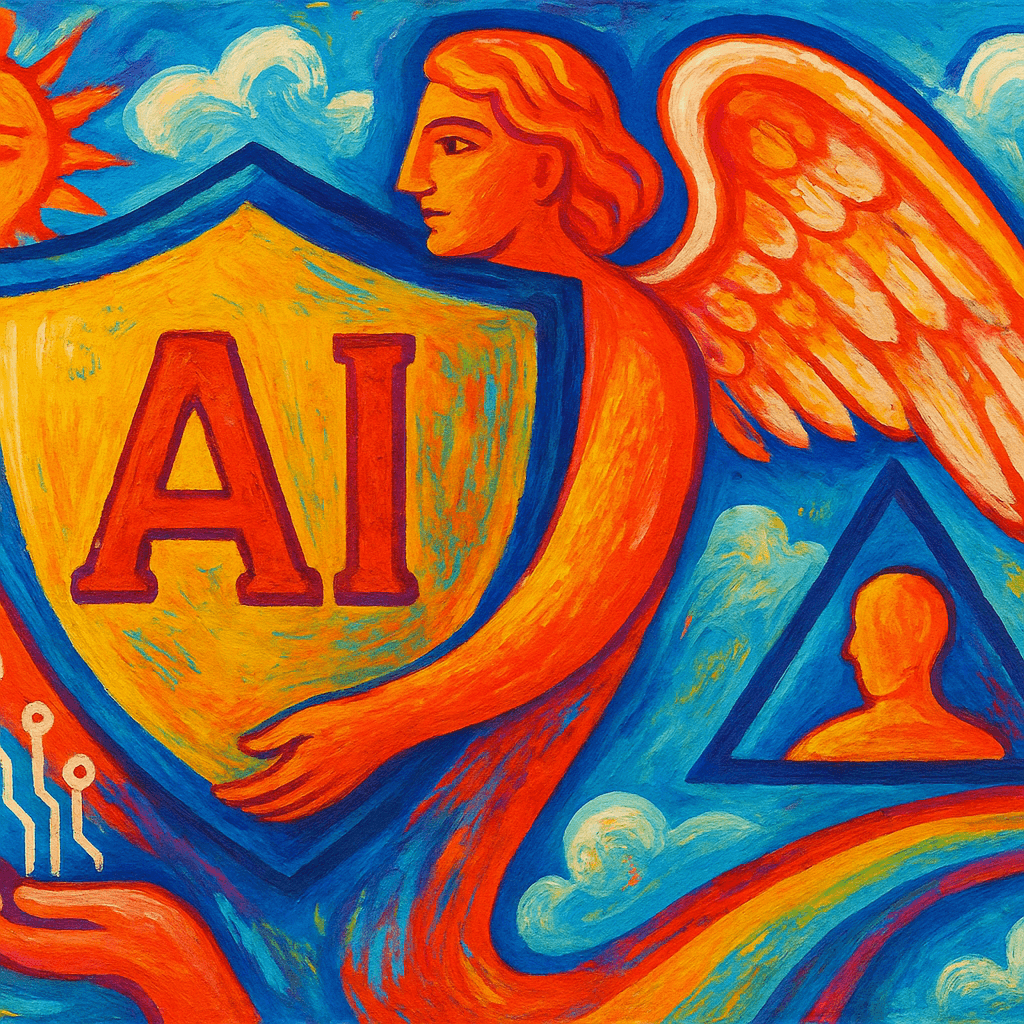

AI: Reshaping Insurance Roles, Not Replacing People
AI adoption in underwriting, claims and back office work is accelerating. Research by Oxbow Partners and the London Market Group shows the impact goes beyond automation: it requires organizations to rethink role design and the way expertise is developed. Rather than a straight replacement of workers, AI will shift the balance of tasks and the skills that deliver client value.
Prioritizing Distinctly Human Skills
As AI takes on routine analysis and data processing, the premium will move to human judgment, relationship-building, persuasion and leadership. Client conversations, complex negotiations and ethical choices are areas where human strengths matter most. Industry leaders report that when AI reduces transactional load, professionals gain time to apply judgment and to deepen client trust. Firms should identify which decisions must remain human-led and train people to perform them better.
Strategic Workforce Redesign and Talent Development
Insurers should treat AI as an augmentation tool that unlocks new capabilities and agility. Traditional apprenticeship and on-the-job training models will need redesign because routine tasks that once taught judgment may be automated away. Create structured learning pathways that combine AI-assisted simulation, mentorship, and rotational exposure to complex cases. Measure success with competency milestones rather than throughput alone, and define new career ladders that reward expertise in human-AI teaming, explainability and client advisory skills.
Addressing the Industry’s Talent Challenges
The London market faces demographic shifts and shortages that make productivity gains attractive. AI can help by raising per-employee capacity, but treating AI as only a cost-cutting lever risks eroding learning pathways and long-term capability. To avoid that, redesign roles deliberately so AI accelerates learning for junior staff and protects opportunities to acquire senior judgment. The result is a resilient workforce that combines scalable technology with strengthened human skills.
For insurance HR and operations leaders, the priority is clear: embed AI into a talent strategy that preserves and grows human judgment, reimagines learning, and aligns incentives to long-term capability rather than short-term savings.