Research Warns: AI Giants Shape Global Regulation
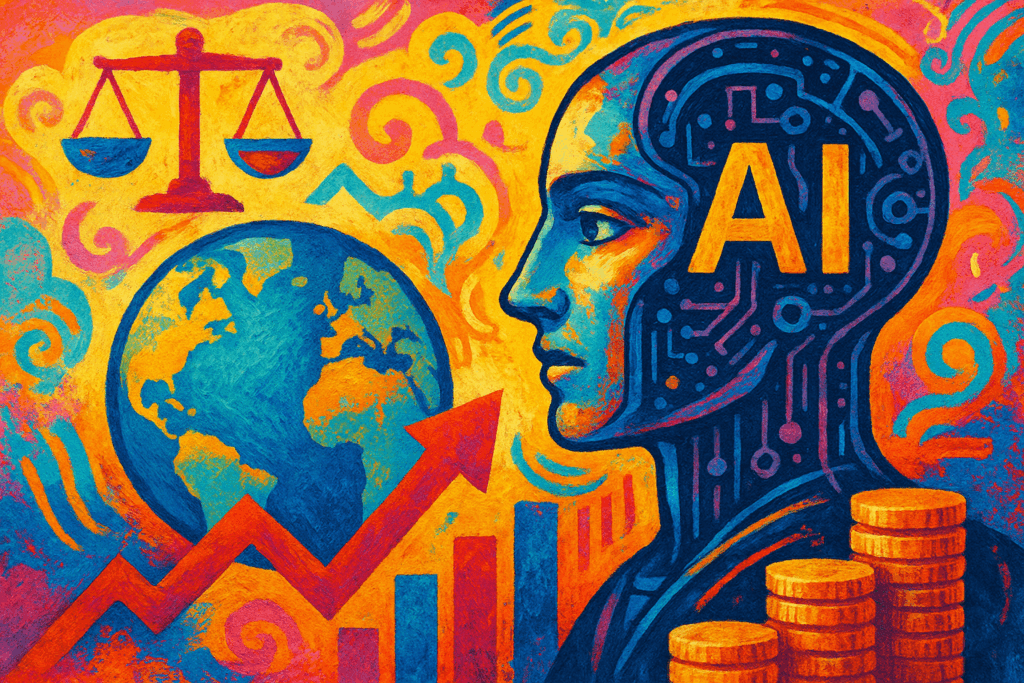
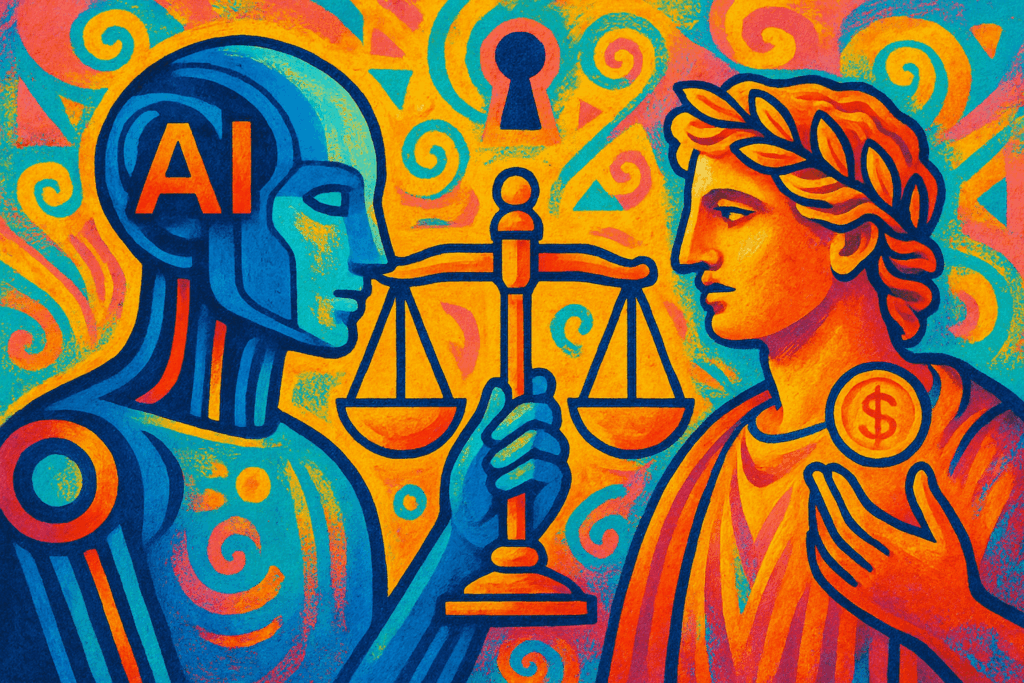
A recent academic study by researchers at the University of Edinburgh and Trinity College Dublin argues that major AI companies are actively shaping the global regulatory agenda in ways reminiscent of past powerful sectors such as tobacco, pharmaceuticals and fossil fuels. The paper accuses so-called Big AI of “regulatory capture” meaning private firms exert substantial influence on policy outcomes to favour lighter oversight and preserve market advantages.
Core Strategies of Influence
The study identifies a set of repeatable tactics used by large AI firms to shape rules and public debate:
- Narrative capture: Framing the debate around a trade-off that pits innovation against regulation. Firms argue stringent rules will stifle investment and slow progress, placing pressure on policymakers to opt for permissive regimes.
- Elusion of law: Exploiting legal gray areas and jurisdictional mismatches to avoid strict compliance. This includes using decentralized development pathways and contractual terms that limit liability.
- Revolving door: Hiring former regulators and placing industry executives into advisory roles to shape rule drafting and interpretation from the inside.
Calls for Independent Oversight
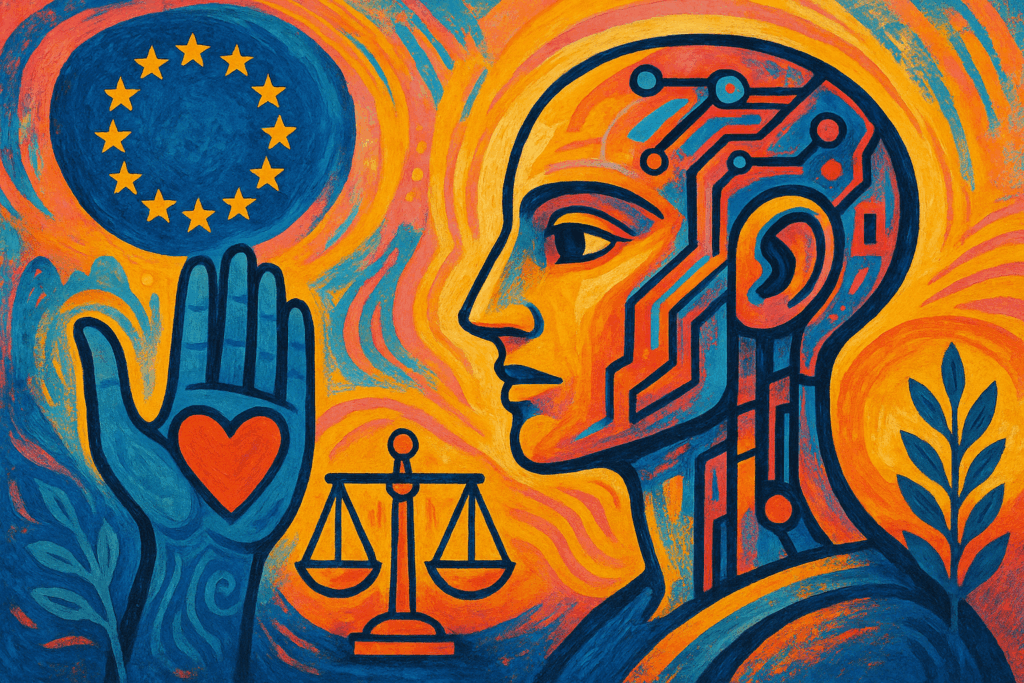
Researchers recommend concrete steps to rebalance influence: stronger separation between public officials and private firms, tighter lobbying transparency rules, enforceable conflict of interest limits, and increased funding for independent research and civil society participation. They advise explicit mechanisms to include marginalized communities and frontline stakeholders in rulemaking so governance reflects broader social priorities rather than narrow commercial ones.
For investors and industry leaders the implication is clear. Policy risk will increasingly reflect not only technological trajectories but the power dynamics that shape those rules. Markets that assume light-touch global regulation may face sudden shifts if governments respond to concerns about capture. Restoring public trust will require visible, enforceable checks on industry influence alongside credible independent oversight.