
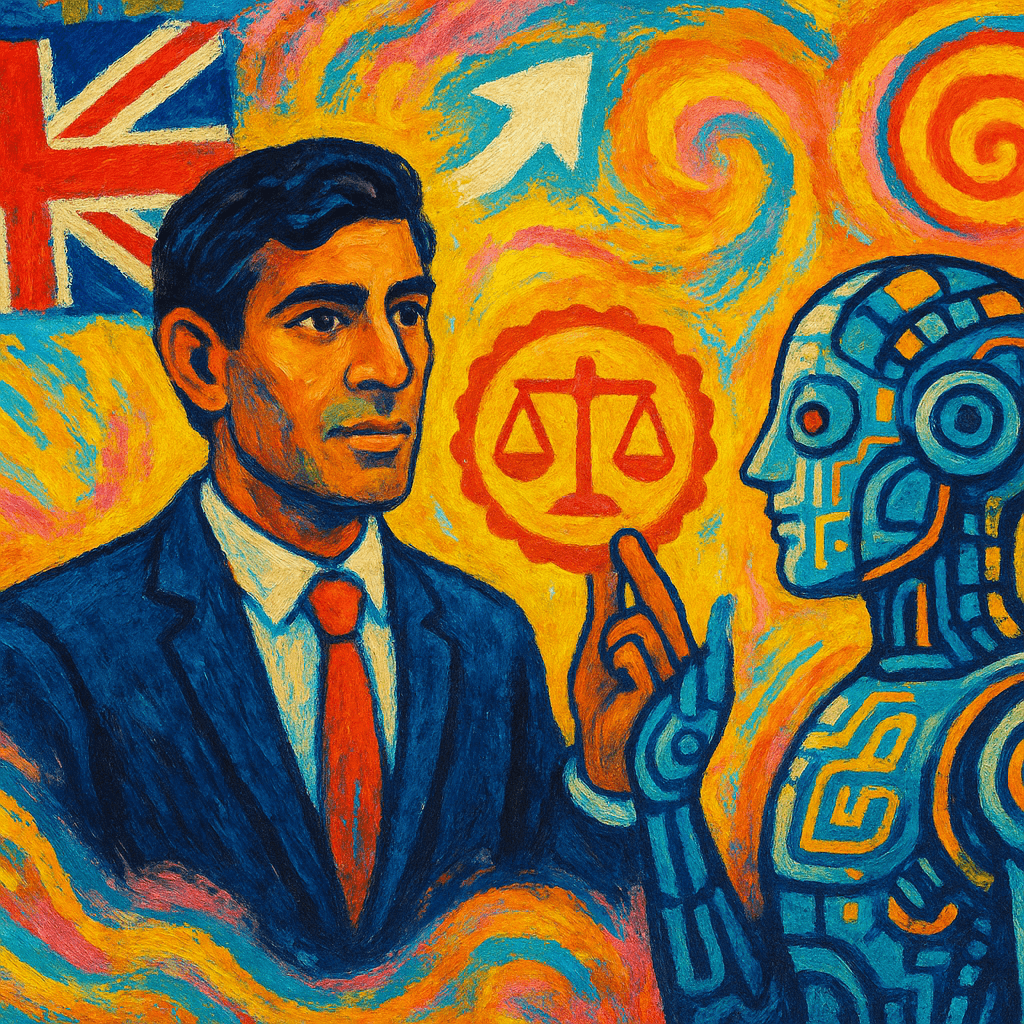
UK Minister Opens Door to Regulating Advanced AI
UK AI Minister Kanishka Narayan said the government is prepared to introduce formal regulation for advanced or frontier AI models if voluntary safeguards do not provide adequate protection. The statement signals a possible policy shift from the current preference for industry-led codes and the AI Safety Institute toward mandatory rules for the most powerful systems.
Rethinking the “Light-Touch” Approach
The UK has emphasised a light-touch, innovation-friendly approach, favouring voluntary agreements and the newly formed AI Safety and Security Institute, which coordinates best practice across labs. Narayan’s comments stop short of a firm commitment to new laws, but mark a departure from a purely hands-off stance. By contrast, the EU AI Act already sets mandatory risk-based obligations for certain AI applications, creating regulatory divergence between the UK and EU markets.
Mounting Pressure and Evolving Threats
Pressure is rising from MPs, industry groups and security advisers following disclosures about advanced capabilities from labs such as OpenAI and Anthropic. Concerns include misuse of models for cyber operations, data exfiltration risk and the speed of capability growth. Critics question whether voluntary oversight by the AI Safety and Security Institute is able to verify safety claims or enforce rapid corrective measures when vulnerabilities emerge.
What’s Next for UK AI Policy?
The long-anticipated UK AI Bill remains delayed and its timetable is uncertain. If the government moves from voluntary agreements to mandatory regulation, expect targeted rules for frontier models, new compliance burdens for developers and clearer expectations for independent testing and incident reporting. For investors and firms, regulatory change would raise near-term compliance costs and planning complexity, but could increase market confidence by lowering systemic risk. Policymakers will need to balance deterrence of unsafe practices with preserving the UK’s attractiveness for AI investment and research.
For finance professionals, the key signal is that policy risk is rising. Boards, investors and risk teams should evaluate counterparty model governance and scenario-test exposures to regulatory change.