The AI Trust Paradox in Banking
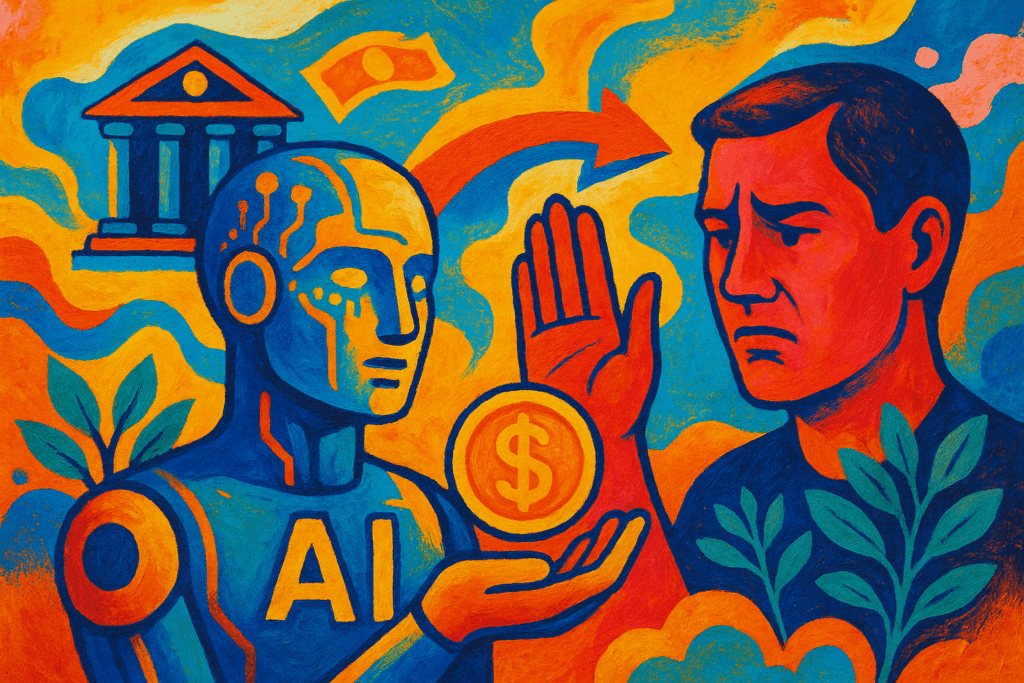
Consumers increasingly turn to AI for basic banking tasks and discovery, yet only about 29% say they trust AI for financial advice. That gap is more than a curiosity. It is a structural risk for banks if third parties become the primary sources AI cites when customers ask money questions.
Generational Splits: More Than Just Age
Trust patterns are surprising. Millennials show the highest willingness to accept AI guidance. Gen Z, despite heavy AI use, reports lower trust. Boomers remain skeptical. Reasons include convenience and life-stage needs for middle generations, heightened privacy awareness and critical media literacy among Gen Z, and risk aversion among older clients.
AI’s Missing Piece: Human Context
Most distrust comes from AI’s inability to account for personal context. A mortgage suggestion may ignore job stability, family plans, or health expenses. A robo-recommendation can miss tradeoffs between liquidity and long-term goals. That lack of nuance turns useful signals into risky advice.
Becoming AI’s Trusted Source: A Strategic Mandate
Banks can close the trust gap by supplying the context AI lacks. Practical steps:
- Publish context-rich content that maps life stages to product choices, with explicit tradeoffs and scenarios.
- Connect product pages through narrative pathways so AI can cite linked, authoritative explanations rather than isolated product blurbs.
- Highlight human expertise: recorded advisor Q&A, case studies, and decision frameworks that show judgment calls.
- Use structured data and clear provenance so AI platforms can identify and cite your content reliably.
- Embed conditional tools and prompts that surface personal factors before offering recommendations.
Seizing the First-Mover Advantage
AI will amplify whoever supplies the best reference material. Banks that act now to publish contextual, authoritative signals will shape the answers customers receive and preserve direct relationships. Delay means ceding trust to nonbank sources. The path forward is simple and urgent: produce the human-context content AI needs, and banks win the referral and advisory economy of the AI era.