
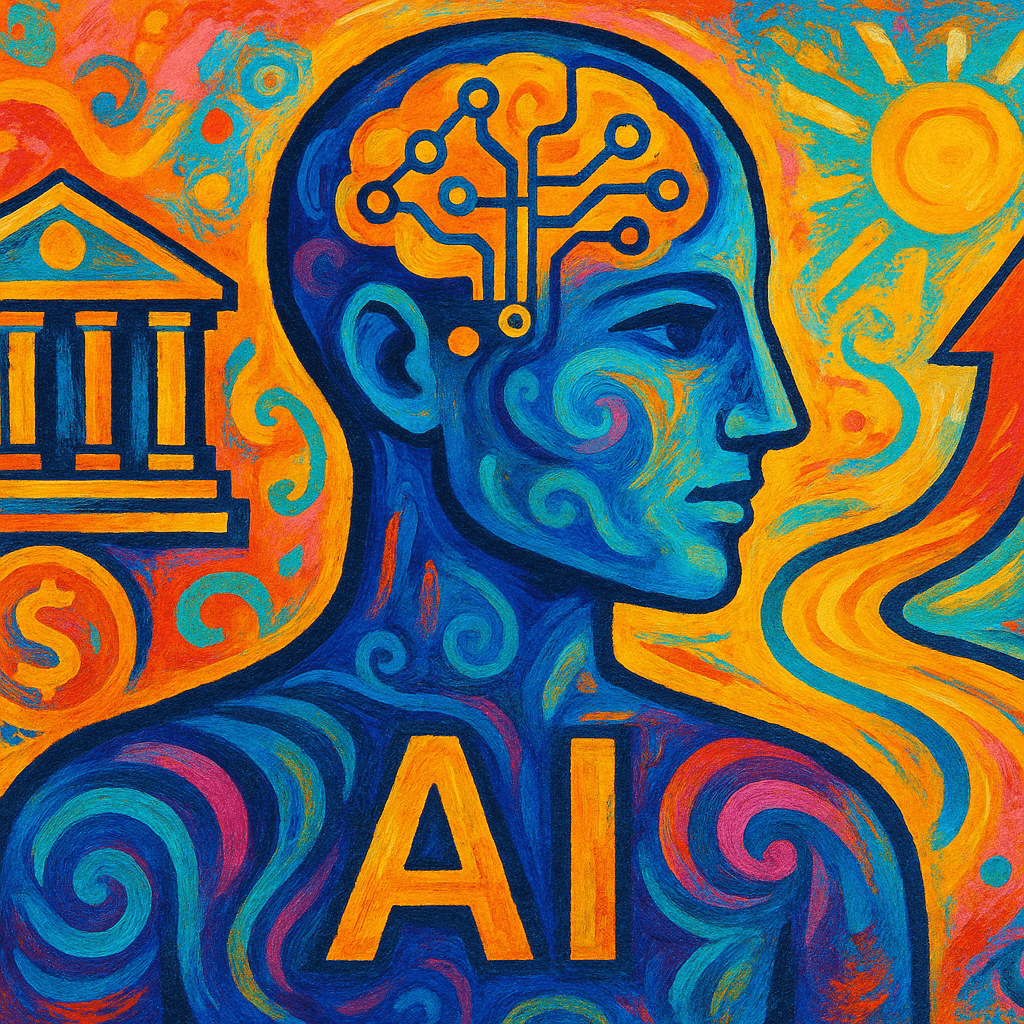
AI Reshapes Banking: Beyond Automation
Artificial intelligence is moving banking from routine automation to strategic decision-making. Institutions that apply machine learning to customer journeys, risk models, and operations are reducing friction, improving accuracy, and unlocking new revenue streams. This is not theoretical. It is already reconfiguring how banks serve customers and manage balance sheets.
Core Applications Driving Value
Hyper-personalization. AI segments customers at scale and delivers tailored product recommendations, pricing, and next-best-action offers. Large language models power conversational agents that handle routine servicing and complex inquiries with faster resolution and lower cost.
Fraud detection and financial crime. Machine learning analyzes transaction patterns in real time to flag anomaly scores, detect synthetic identities, and prioritize investigations. These models reduce false positives and accelerate response times.
Operational optimization. Automated document processing, intelligent workflow routing, and predictive models for loan underwriting compress cycle times and lower processing costs. Combined with robotic process automation, these tools free specialists for higher-value work.
Strategic Benefits and Challenges
Benefits are tangible. Banks gain efficiency, higher conversion and cross-sell rates, faster credit decisions, and more accurate risk provisioning. For investors, AI-driven productization can mean recurring revenue and improved margins.
Challenges persist. Data quality and fragmented systems limit model performance. Model governance, explainability, and regulatory transparency are essential for audit readiness. Ethical risks such as bias require rigorous testing. Talent gaps push many institutions to form partnerships with vendors and fintechs rather than attempt full in-house builds.
The Intelligent Future of Finance
AI adoption will accelerate, shifting from pilot projects to embedded capabilities in core banking. Success will depend on data foundations, strong governance, and pragmatic partnerships. Leaders who treat AI as a strategic asset rather than a point solution will win market share, improve resilience, and deliver measurable value to customers and shareholders.