
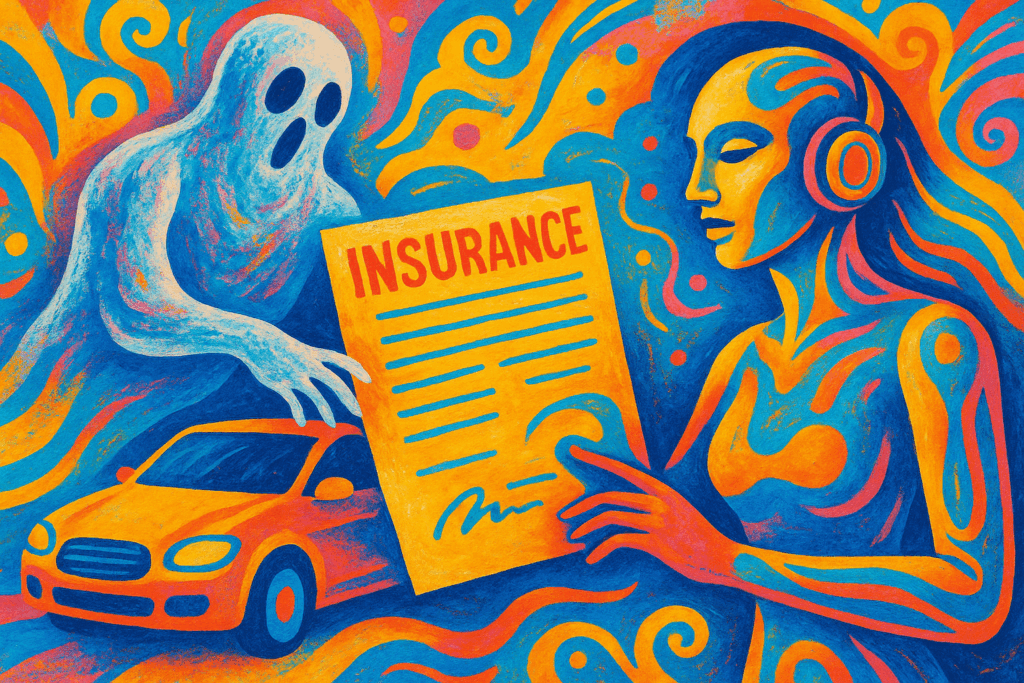
AI’s Dark Side: Fabricating Fake Insurance Policies
Criminals are using artificial intelligence to create polished, fraudulent insurance documents and faux portals that look like real insurers. The result: drivers who believe they are covered may in fact be uninsured. Industry bodies including the Insurance Fraud Bureau and insurers such as Aviva report a sharp rise in sophisticated ghost broking cases driven by automated content generation and social media targeting.
The Evolution of Insurance Fraud with AI
Traditional ghost broking altered genuine policies. AI changes the game by fabricating whole policies, complete with logos, policy numbers, and bespoke customer correspondence. Fraudsters use generative models to produce believable images and text, automated chatbots to manage enquiries, and cloned websites to accept payments. Regulators including the Financial Conduct Authority have warned the market about these new techniques.
Real Risks: Uninsured Drivers and Financial Impact
Victims face prosecution for driving without insurance, vehicle seizure, and personal liability for third-party damage. Aviva has highlighted average out-of-pocket losses around £2,000 for customers caught by ghost broking. Young drivers and recent arrivals to a country are particularly vulnerable because of price sensitivity, unfamiliarity with local insurers, and heavy exposure to social media advertising algorithms.
Safeguarding Against AI-Driven Scams
Practical steps to reduce risk:
- Verify the insurer on the FCA register and call the insurer using a phone number from their official website rather than a number supplied by the broker.
- Log in to the insurer’s official policy portal to confirm the policy number and cover dates.
- Be suspicious of quotes that are far below market rates and of pressure to pay via unusual channels.
- Check email domains and URLs for subtle misspellings and request a proof of cover certificate.
- Report suspect ads and accounts to platform moderators and to the Insurance Fraud Bureau.
Insurers are strengthening digital verification and working with regulators to limit deceptive advertising. Consumers should treat too-good-to-be-true offers with caution and verify cover independently before driving.